

Senoia, GA Weather Conditions: A Quick Reference for Residents, Visitors & Homebuyers
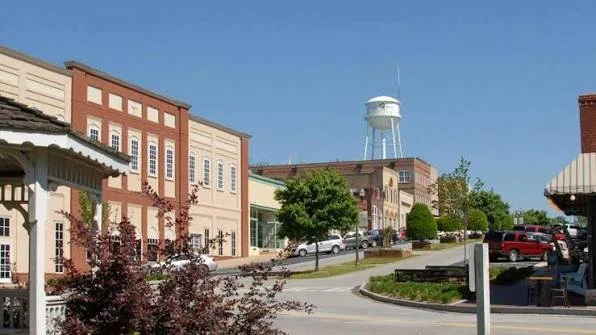
If you're considering moving to Senoia, GA, weather is one of those everyday factors that can have a surprisingly big impact on your lifestyle.
How hot are the summers?
Does Senoia get snow?
How much does it rain?
When is the best time to visit?
What should you expect during winter?
And perhaps most importantly for homebuyers: What does Senoia weather mean for owning a home in Coweta County?
Senoia has a humid subtropical climate, which means residents experience four distinct seasons, but winters are generally mild compared with much of the northern United States. Summers are hot and humid, spring and fall are especially pleasant, and rainfall occurs throughout the year.
Climate data compiled for Senoia shows an average July high near 90°F and an average January low around 32°F, while annual precipitation is roughly 50 inches. Snow is uncommon, averaging only about 1.3 inches annually in one widely used climate dataset.
For anyone researching Senoia GA homes for sale, understanding the local weather can also help you think about landscaping, HVAC systems, outdoor living, drainage, roofing, and overall home maintenance.
Here's your quick-reference guide to Senoia, GA weather conditions.
What Is the Weather Like in Senoia, GA?
The easiest way to describe Senoia weather is:
Hot summers, mild winters, beautiful spring and fall seasons, and year-round rainfall.
Unlike areas farther north, Senoia doesn't typically experience long stretches of freezing weather or significant snowfall.
At the same time, Georgia summers can be considerably hotter and more humid than what buyers relocating from northern states may be accustomed to.
Typical conditions include:
Mild winters
Warm springs
Hot, humid summers
Comfortable autumns
Rain throughout the year
Occasional severe thunderstorms
Infrequent snow and ice
Climate averages are useful for understanding long-term patterns, but they should not be confused with a day-to-day forecast. NOAA describes climate normals as 30-year averages used to put current weather into historical context.
Senoia GA Average Temperatures by Month
For homebuyers and visitors, one of the easiest ways to understand the climate is to look at typical monthly temperatures.
Approximate average high and low temperatures are:
MonthAverage HighAverage LowJanuary52°F35°FFebruary57°F39°FMarch64°F46°FApril73°F53°FMay81°F61°FJune88°F68°FJuly90°F71°FAugust89°F70°FSeptember84°F65°FOctober74°F54°FNovember62°F44°FDecember55°F40°F
These figures show why July is typically the hottest month in Senoia, while January is generally the coolest.
Of course, individual days can be significantly hotter or cooler than these averages.
Senoia Weather in the Winter
Winter in Senoia is relatively mild.
January is generally the coldest month, with average temperatures around the low 50s during the day and the mid-30s at night.
That doesn't mean winter is always warm.
Senoia can experience:
Freezing temperatures
Frost
Occasional ice
Cold fronts
Rare snowfall
But extended periods of extreme cold are not typical.
For buyers relocating from states such as New York, Pennsylvania, Ohio, Michigan, or Massachusetts, the difference can be substantial.
Instead of months of snow and freezing conditions, Senoia winters often include plenty of days where residents can still comfortably get outside.
Does It Snow in Senoia, GA?
Yes—but usually not very much.
Snow is an occasional event rather than a regular part of winter life.
One climate dataset estimates Senoia receives approximately 1.3 inches of snow per year, with January typically being the snowiest month.
For many residents, the bigger winter concern isn't accumulated snow.
It's the possibility of:
Freezing temperatures
Black ice
Icy roads
Short-term school closures
Cold-weather plumbing concerns
Snowstorms are uncommon enough that a significant snowfall can become a memorable community event.
Spring Weather in Senoia
Spring is one of the best seasons to experience living in Senoia GA.
Temperatures gradually climb from the 60s in March into the 70s and 80s by May.
Spring brings:
Blooming flowers
Green landscapes
Longer daylight
Comfortable outdoor temperatures
More community events
Excellent conditions for exploring Downtown Senoia
It's also a great time to explore Senoia GA neighborhoods if you're considering buying a home.
Walking through a neighborhood in spring can give you a better sense of:
Landscaping
Mature trees
Outdoor living spaces
Yard conditions
Neighborhood activity
Summer Weather in Senoia
Summer is the season buyers should understand most carefully before moving to Senoia.
July's average high is around 90°F, with average lows around 71°F. August remains similarly hot.
Summer also brings significant humidity.
That combination of heat and moisture can make some days feel substantially hotter than the actual temperature.
During summer, residents often plan outdoor activities around:
Early mornings
Late afternoons
Evening hours
This is particularly relevant if you're moving from a cooler climate.
The good news?
You don't have to give up outdoor living.
Senoia's parks, trails, neighborhoods, and Downtown Senoia remain popular throughout the summer—residents simply adjust their schedules.
Fall Weather in Senoia
For many residents, fall is one of the best times of year in Senoia.
Temperatures generally become more comfortable during September and October.
October averages approximately 74°F for the high and 54°F for the low, making it especially appealing for outdoor activities.
Fall is ideal for:
Walking Downtown Senoia
Outdoor dining
Neighborhood tours
Festivals
Football
Hiking
Farmers markets
Porch sitting
Exploring local shops
If you're considering a Senoia GA relocation, fall is an excellent time to visit before making a buying decision.
How Much Rain Does Senoia Get?
Senoia receives rainfall throughout the year.
One climate dataset estimates annual precipitation at approximately 49.8 inches, which is considerably more than the U.S. average of roughly 38 inches.
Rainfall is not limited to one particular season.
Average monthly precipitation is generally higher during the warmer months, with July and August among the wetter periods.
Another climate dataset reports approximately 39.76 inches of annual precipitation based on its underlying dataset, illustrating why different weather services can produce somewhat different totals depending on the station and methodology.
For this reason, it's better to think of the number as a general climate range rather than a precise prediction for every year.
What Does Rainy Weather Mean for Homeowners?
Rain is an important consideration when purchasing a home.
If you're looking at Senoia GA homes for sale, pay attention to:
Yard drainage
Gutters
Downspouts
Grading
Crawl spaces
Basements
Retaining walls
Roof condition
Landscaping
Standing water
A professional home inspection should evaluate drainage and potential moisture issues.
Don't simply assume a beautiful yard will remain that way after a major storm.
Ask questions.
Look at the property after rainfall if possible.
And pay attention to how water moves around the home.
Humidity in Senoia
Humidity is one of the biggest differences northern buyers may notice.
Senoia's warm season can feel humid, particularly in June, July, and August.
Humidity can affect:
Outdoor comfort
HVAC performance
Indoor air quality
Mold and mildew prevention
Landscaping
Wood maintenance
A properly functioning HVAC system and good home ventilation are particularly important in Georgia's climate.
If you're buying an older home, ask about:
HVAC age
Ductwork
Insulation
Ventilation
Previous moisture problems
These details can make a major difference in long-term comfort.
Thunderstorms and Severe Weather
Like much of Georgia, Senoia can experience thunderstorms, particularly during warmer months.
Storms can occasionally bring:
Heavy rain
Strong winds
Lightning
Hail
Flash flooding
Downed trees
Severe weather is not an everyday occurrence, but homeowners should be prepared.
Before buying, consider:
Tree health
Roof condition
Drainage
Insurance coverage
Stormwater patterns
Generator options
Emergency preparedness
Georgia weather can change quickly during summer storm season.
Tornado Risk in Senoia
Georgia is not immune to tornadoes.
Although tornado frequency varies from year to year, severe thunderstorms can occasionally produce tornadoes across the state.
Homeowners should understand:
Local warning systems
Safe shelter locations
Insurance coverage
Emergency plans
When touring homes, buyers can also ask about:
Basement availability
Interior storm shelters
Safe rooms
Structural improvements
A home does not have to have a basement to be safe during severe weather, but every household should have a designated shelter location.
Is Senoia Weather Good for Outdoor Living?
For much of the year, yes.
That's one of the reasons why people are moving to Senoia GA.
The combination of relatively mild winters, warm springs, long summers, and comfortable fall weather creates plenty of opportunities for outdoor activities.
Residents can enjoy:
Walking
Biking
Golf
Fishing
Parks
Outdoor dining
Community festivals
Downtown events
Backyard entertaining
The key is understanding seasonal timing.
Spring and fall are generally ideal for extended outdoor activities.
Summer is better earlier or later in the day.
Winter can offer surprisingly comfortable afternoons between cold fronts.
The Best Months to Visit Senoia
If you're considering a move, when should you visit?
March–May
Excellent for:
Neighborhood tours
Downtown exploration
Outdoor dining
Parks
Spring events
June–August
Best if you want to understand:
Summer heat
Humidity
Storm patterns
How homes perform in hot weather
September–October
Often among the most comfortable months for:
Home tours
Outdoor activities
Downtown Senoia
Community events
November–February
Useful if you're relocating from a cold climate and want to understand what a Senoia winter actually feels like.
What Does Senoia Weather Mean for Real Estate?
Weather can influence the way buyers evaluate a home.
A Georgia home needs to perform well in:
Summer heat
Humidity
Heavy rain
Occasional severe storms
Mild but sometimes freezing winter conditions
That's why buyers should look closely at:
HVAC
How old is the system?
Has it been serviced regularly?
Roof
When was it installed?
Are there signs of storm damage?
Gutters
Do they properly direct water away from the foundation?
Windows
Are they energy efficient?
Insulation
Does the home retain conditioned air effectively?
Landscaping
Does the property drain properly after heavy rain?
Weather isn't just something you experience outside.
It becomes part of homeownership.
Weather and New Construction Homes in Senoia
Buyers searching for Senoia GA new construction may appreciate modern building features designed for energy efficiency and climate control.
Depending on the builder and home, newer properties may offer:
Modern insulation
Energy-efficient windows
New HVAC systems
Improved drainage
Modern roofing materials
Smart thermostats
More efficient appliances
However, new construction isn't automatically maintenance-free.
Buyers should still complete a professional inspection and understand the builder's warranty.
What Should You Look for When Buying a Home in Senoia?
If you're serious about purchasing, add weather-related questions to your homebuying checklist.
Ask:
How old is the roof?
Has the property ever experienced water intrusion?
Does the yard drain properly?
How old is the HVAC system?
Are there crawl-space moisture concerns?
Have trees caused previous damage?
Are there stormwater easements?
Is the home located in a flood-prone area?
What does the homeowners insurance policy cover?
Are there any previous insurance claims?
These questions can help protect you from unexpected expenses.
Senoia Weather vs. Atlanta Weather
Senoia is part of the broader Metro Atlanta region, so the climate is broadly similar.
Buyers comparing Senoia vs. Peachtree City or Senoia vs. Newnan will generally find similar seasonal patterns.
Small differences can occur based on elevation, location, weather systems, and measurement station.
The bigger difference is lifestyle.
Senoia offers:
Small-town charm
Historic Downtown
Local restaurants
Boutiques
Parks
Established neighborhoods
Growing new construction
So you're not simply choosing a climate.
You're choosing a community.
Is Senoia a Good Place to Live Year-Round?
For many buyers, yes.
The weather is one part of the appeal.
Senoia combines:
Mild winters
Long warm seasons
Plenty of outdoor opportunities
Historic charm
Local businesses
Strong community identity
Access to Newnan and Peachtree City
Convenient access toward Atlanta
The biggest adjustment for newcomers is usually the summer heat and humidity.
If you're comfortable with warm weather and appreciate outdoor living, Senoia can be an excellent fit.
Frequently Asked Questions About Senoia, GA Weather
What is the weather like in Senoia, GA?
Senoia generally has hot, humid summers, mild winters, comfortable spring and fall seasons, and rainfall throughout the year.
What is the hottest month in Senoia?
July is generally the hottest month, with an average high around 90°F and an average low around 71°F.
Does Senoia get snow?
Yes, but snowfall is uncommon. Climate data estimates roughly 1.3 inches of snow annually, with January typically receiving the most.
How much rain does Senoia get?
Climate datasets generally place annual rainfall around 40–50 inches, depending on the data source and measurement methodology.
What is the coldest month in Senoia?
January is generally the coldest month, with average temperatures around the low 50s during the day and mid-30s overnight.
What are the best months to visit Senoia?
Spring and fall are generally the most comfortable seasons for outdoor activities and neighborhood tours, particularly April, May, and October.
Does Senoia have severe weather?
Like other communities in Georgia, Senoia can experience thunderstorms, heavy rain, strong winds, hail, and occasional tornadoes. Residents should monitor official National Weather Service warnings during severe weather.
Is Senoia weather good for outdoor living?
For much of the year, yes. The mild winters and long warm seasons provide plenty of opportunities for parks, walking, biking, outdoor dining, community events, and backyard entertaining.
Final Thoughts: Understanding Senoia Weather Before You Move
If you're searching for Senoia GA homes for sale, understanding the weather is about more than knowing whether you'll need a jacket tomorrow.
It helps you understand what daily life will feel like.
You'll experience:
Mild winters
Hot summers
Humid conditions
Regular rainfall
Occasional severe storms
Very little snow
Long stretches of outdoor-friendly weather
For many people relocating from northern states, the mild winter climate is a major benefit.
For others, the biggest attraction is simply having more opportunities to enjoy the outdoors throughout the year.
And if you're buying a home, the weather also reminds you to pay attention to practical details like roofing, HVAC systems, drainage, insulation, landscaping, and homeowners insurance.
The best way to understand Senoia isn't to look at one forecast.
Come experience the community.
Walk Downtown Senoia.
Tour the neighborhoods.
Visit the parks.
Have lunch at a local restaurant.
And see how the weather feels for yourself.
Thinking About Moving to Senoia, GA?
Ready to explore Senoia GA homes for sale and find a neighborhood that fits your lifestyle?
The Tim Stout Group with eXp Realty can help you compare:
Senoia GA neighborhoods
Senoia GA home prices
New construction
Established homes
Homes near Downtown Senoia
Family-friendly communities
Commute options
Schools
HOA communities
Current Senoia GA real estate market conditions
Whether you're looking for Heritage Pointe, Fieldstone Estates, Keg Creek Landing, Greyfairs, Savannah Crossing, Blackberry Run, or another Senoia community, local knowledge can make the homebuying process easier.
Contact the Tim Stout Group today for help buying or selling in Senoia, Newnan, Peachtree City, and surrounding Coweta County communities.
Explore more local Senoia neighborhood guides and relocation resources:
