

Owning a Piece of History: Maintenance, Insurance & Tax Incentives for Historic Senoia Homes
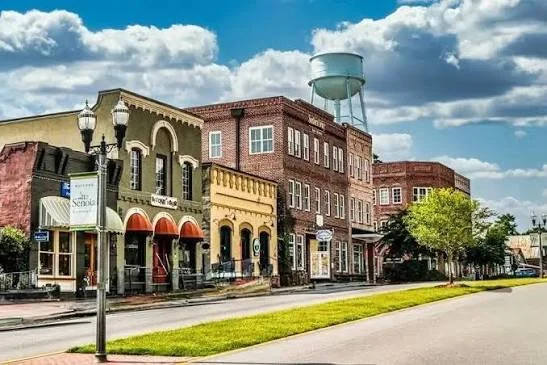
There's something different about owning an older home in Senoia, Georgia.
It isn't just a house.
It's the front porch where neighbors may have gathered decades ago.
It's the original woodwork, the tall windows, the mature landscaping, and the architectural details that you simply can't reproduce in a new-construction neighborhood.
For buyers searching for Senoia GA homes for sale, historic properties can offer a combination of character, location, and connection to the community that makes them especially appealing.
Senoia's historic downtown is the heart of the city and is part of the Senoia National Register Historic District. The city has also established historic-preservation processes intended to protect the architectural character of historic areas.
But owning a historic home comes with responsibilities that buyers should understand before making an offer.
Maintenance can be different.
Insurance can require additional conversations.
Renovations may need to follow preservation standards.
And, in certain circumstances, Georgia offers potentially valuable tax incentives for qualified historic rehabilitation projects.
So is buying a historic home in Senoia worth it?
For the right buyer, absolutely.
Here's what you need to know before buying a piece of Senoia history.
What Makes a Senoia Home "Historic"?
The first thing buyers should understand is that old does not automatically mean historically designated.
A house can be old without qualifying for a particular historic tax program.
Historic eligibility can depend on:
The property's age
Historic significance
Architectural integrity
Whether it contributes to a historic district
Whether it is individually designated
Whether it is listed or eligible for the Georgia or National Register
Whether the property meets specific program requirements
Georgia's Historic Preservation Division generally considers properties for National or Georgia Register eligibility based on factors including age, historic integrity, and the applicable evaluation criteria.
That's an important distinction for anyone searching for historic homes in Senoia GA.
Don't purchase a property assuming it qualifies for a tax credit simply because the house was built many decades ago.
Verify it.
Senoia's Historic Downtown Is a Major Community Asset
Historic Downtown Senoia is more than a collection of old buildings.
The city describes the downtown as the heart of Senoia and part of the Senoia National Register Historic District.
The district combines:
Historic commercial buildings
Residential properties
Civic uses
Retail
Restaurants
Parks
Newer development designed to complement the historic environment
The city also uses historic-preservation review to help ensure physical changes are compatible with the character of the district.
For homeowners, that means the historic character surrounding your property can be part of what makes the location valuable.
It can also mean that renovations require more planning.
Why Buyers Love Historic Senoia Homes
Historic homes attract buyers for reasons that go far beyond square footage.
You may find:
Original hardwood floors
Tall ceilings
Large front porches
Detailed millwork
Historic fireplaces
Large windows
Mature landscaping
Unique floor plans
Architectural details unavailable in modern construction
Every house has a story.
And that's exactly what many buyers love.
A new-construction home can be beautiful and efficient, but it usually doesn't have 100 years of personality built into the walls.
The Tradeoff: Character Requires Maintenance
This is probably the most important thing for prospective buyers to understand.
A historic home can be beautiful without being maintenance-free.
Older homes may require attention to systems such as:
Roofing
Plumbing
Electrical
HVAC
Windows
Foundation
Crawl spaces
Chimneys
Exterior siding
Porches
Drainage
That doesn't mean historic homes are bad investments.
It means buyers need to understand what they're buying.
The Roof Should Be One of Your First Questions
A roof is important on any house.
On an older property, it becomes even more important.
Ask:
How old is the roof?
What material is it?
Has it been repaired?
Are there signs of water intrusion?
Is the decking in good condition?
Are gutters functioning properly?
A beautiful historic home with a failing roof can quickly become an expensive project.
During your inspection period, make sure the roof receives appropriate attention.
Electrical Systems in Older Homes
Electrical systems have changed dramatically over the decades.
Historic homes may have undergone multiple renovations, meaning some wiring may be newer while other portions may be much older.
Potential issues can include:
Outdated wiring
Insufficient electrical capacity
Older electrical panels
Improper modifications
Lack of modern outlets
Inadequate grounding
If the home is older or the electrical system appears unusual, consider having a qualified electrician evaluate it.
The goal isn't to modernize everything simply because it's old.
The goal is understanding what is safe, functional, and appropriate for the home.
Plumbing Can Tell a Story Too
Older plumbing systems may have been updated multiple times.
Before purchasing, ask about:
Supply lines
Drain lines
Sewer connections
Water heater age
Previous leaks
Water pressure
Any known plumbing repairs
A home inspection can help identify issues, but specialized inspections may be appropriate if the general inspector identifies concerns.
Historic Windows: Replace or Restore?
Windows can be one of the most beautiful features of an older home.
They can also be one of the biggest maintenance questions.
Historic wood windows may be:
Beautiful
Repairable
Energy inefficient if poorly maintained
Difficult to replace with historically appropriate products
Before replacing original windows, understand whether the property is subject to local historic-preservation review.
In some situations, preserving the original window may be preferable to replacing it with a modern product that changes the architectural character.
The right answer depends on the property and its designation.
Porches Require Special Attention
If you're shopping for an older Senoia home, chances are you'll fall in love with the porch.
And understandably so.
But porches take a beating from:
Weather
Moisture
Sun exposure
Termites
Poor drainage
Structural movement
Inspect:
Floorboards
Railings
Columns
Posts
Roof connections
Foundations
Paint
Water drainage
A porch that looks beautiful in photographs may need significant structural work.
Watch for Moisture and Drainage Problems
Water is one of the biggest enemies of older houses.
Pay attention to:
Gutters
Downspouts
Grading
Crawl spaces
Basement areas
Foundation walls
Roof flashing
Landscaping near the structure
A home doesn't have to be waterfront property to have water problems.
Good drainage is essential to protecting an older structure.
Termites and Other Wood-Destroying Insects
Georgia's climate makes pest inspections particularly important.
Historic homes often contain substantial amounts of wood, including:
Framing
Siding
Porches
Trim
Floors
Outbuildings
Ask about previous termite treatments and consider a professional wood-destroying insect inspection when appropriate.
The earlier problems are discovered, the easier they can be to address.
Historic Home Insurance: What Buyers Need to Know
Insurance is another area where buyers should do their homework.
A historic house may contain:
Custom architectural details
Older materials
Specialty craftsmanship
Features that are expensive to reproduce
That can affect how the property is insured.
Ask your insurance agent:
How will the home be insured?
Is replacement cost coverage available?
Are historic features covered appropriately?
Are there exclusions for certain older systems?
Are roof, electrical, plumbing, and HVAC upgrades required?
Are there special underwriting requirements?
Does the property need an inspection before coverage?
Don't wait until after closing to find out that the home requires upgrades before an insurer will provide the coverage you expect.
National Register Listing Does Not Mean You Can't Renovate
This is another common misconception.
Being listed on the National Register of Historic Places does not automatically impose federal restrictions on a private homeowner's use or treatment of the property. However, local laws, ordinances, historic districts, easements, or other requirements can affect what you can do.
That's why buyers need to determine the property's exact designation.
There's a major difference between:
Being in a National Register district
Being locally designated
Being individually listed
Being a contributing property
Being subject to a local historic overlay
The rules can differ.
Senoia's Historic Preservation Review
Senoia has a historic-preservation framework that includes review of changes affecting designated historic areas.
The city's preservation ordinance addresses historic neighborhoods and properties and identifies contributing and non-contributing properties within historic districts.
This can matter when you're considering changes such as:
Exterior renovations
Additions
Windows
Doors
Porches
Demolition
New construction
Significant exterior alterations
Before purchasing a historic home, ask the City of Senoia what preservation requirements apply to that specific property.
The Big Question: Are There Tax Incentives?
Yes—but this is where buyers need to pay close attention.
Georgia has several historic-preservation incentive programs that can potentially reduce the financial burden of qualified rehabilitation projects.
However, not every historic home qualifies.
Eligibility depends on the property, designation, rehabilitation work, costs, certification, and other requirements.
Georgia's Historic Rehabilitation Tax Credit
Georgia currently offers a state income tax credit equal to 25% of qualifying rehabilitation expenses for eligible historic rehabilitation projects.
For a qualifying principal residence, the credit can be capped at $100,000. Other certified properties can have different caps.
That's potentially significant.
Imagine, for illustration purposes, a qualifying rehabilitation project with $100,000 in eligible expenses.
A 25% credit would equal:
$25,000
But don't assume every dollar spent on a renovation qualifies.
The project must meet the state's requirements, including the applicable substantial-rehabilitation test and rehabilitation standards.
And importantly, work should not be started before the appropriate eligibility and application process is understood.
A Major 2026 Change for Historic Homeowners
Georgia expanded its historic-home tax credit beginning in 2026.
Under the updated program, certain owner-occupied primary residences that are locally designated historic properties or contributing properties within local historic districts can potentially qualify, subject to the program's certification and rehabilitation requirements.
This is particularly important for someone considering a historic home in Senoia.
But again:
Historic-looking does not automatically equal tax-credit eligible.
Before beginning work, verify eligibility with the Georgia Department of Community Affairs Historic Preservation Division.
Preferential Property Tax Assessment
Georgia also offers a separate program that can provide a preferential property-tax assessment for qualifying rehabilitated historic properties.
The program can freeze the county property-tax assessment for about 8.5 years, subject to the program's rules and requirements.
The Georgia Department of Revenue explains that qualifying rehabilitated historic property can receive preferential assessment when the rehabilitation meets required thresholds, including an increase in fair market value of at least 50% for certain residential situations.
That can make a substantial difference for an owner completing a significant historic rehabilitation.
However, there are important restrictions and application requirements.
Don't treat it like a normal homestead exemption.
It is a specialized historic-preservation incentive.
What About the Federal Historic Tax Credit?
There's also a federal rehabilitation tax credit, but it works differently.
The federal rehabilitation investment tax credit is generally a 20% credit for qualified rehabilitation expenses on eligible income-producing historic properties. It is not the same program available to an ordinary owner-occupied historic home.
That distinction matters.
If you're buying a historic Senoia home as your primary residence, don't assume you qualify for the federal 20% credit.
If the property is income-producing or part of a qualifying investment project, talk with a tax professional and preservation specialist about whether the federal program applies.
Tax Incentives Are Not Free Renovation Money
This deserves emphasis.
Historic tax incentives can be valuable, but they come with rules.
You may need:
Historic-property certification
Before-and-after photographs
Detailed project descriptions
Rehabilitation plans
Documentation of expenses
Review by the appropriate preservation agency
Compliance with rehabilitation standards
Substantial rehabilitation
Application approval
Georgia's current program requires digital applications through the state's process, and the DCA provides specific documentation requirements for Part A and final certification.
The safest approach is to build the preservation and tax strategy before the renovation begins.
The Difference Between Preservation and Modernization
One of the biggest challenges of historic-home ownership is finding the balance between preserving history and making the house work for modern life.
You may want:
A modern kitchen
Better insulation
Updated plumbing
Modern electrical service
Energy-efficient HVAC
Improved bathrooms
Better internet
Modern lighting
At the same time, you may want to preserve:
Original floors
Doors
Windows
Trim
Staircases
Fireplaces
Exterior character
Good historic rehabilitation isn't about freezing a house in time.
It's about allowing the home to function for today's lifestyle without unnecessarily destroying the features that make it special.
Budget for Maintenance Before You Buy
Before purchasing a historic Senoia home, create a realistic maintenance budget.
Consider potential expenses for:
Roof repairs
Exterior painting
Window restoration
HVAC replacement
Electrical upgrades
Plumbing
Termite treatment
Porch repairs
Landscaping
Masonry
Drainage
Historic-preservation work
A historic home can be a wonderful investment in lifestyle.
But you don't want to become "house poor" because you underestimated the maintenance.
Get the Right Inspections
A general home inspection is important.
For a historic property, you may also want to consider specialized inspections or consultations involving:
Structural systems
Electrical
Plumbing
Roofing
Chimneys
Termites
HVAC
Drainage
Historic materials
The exact inspection strategy should depend on the property's condition.
The older the house and the more extensive the renovation history, the more valuable specialized due diligence can become.
Historic Homes Can Offer Long-Term Appeal
One reason buyers continue searching for historic homes in Senoia GA is scarcity.
You can build another new home.
But you can't easily recreate:
A century-old oak-lined street
Original craftsmanship
Historic proportions
A genuine downtown setting
Architectural history
That scarcity can contribute to the long-term appeal of historic properties.
Of course, no real estate investment is guaranteed.
Market conditions, maintenance, location, condition, insurance costs, and buyer demand all matter.
Who Is a Historic Senoia Home Best For?
Historic homes may be especially appealing to buyers who:
Love architecture
Appreciate craftsmanship
Enjoy restoration projects
Want a unique home
Value walkable downtown access
Want a strong connection to local history
Are comfortable budgeting for maintenance
They may be less suitable for buyers who want:
Minimal maintenance
Completely modern systems
No renovation projects
Predictable repair costs
A highly standardized floor plan
Knowing which type of homeowner you are is just as important as finding the right house.
Questions to Ask Before Buying
Before making an offer on a historic Senoia home, ask:
Is the property locally designated historic?
Is it within a historic district?
Is it a contributing property?
Is it listed on the Georgia or National Register?
What exterior changes require approval?
Are there existing preservation restrictions?
What is the age of the roof?
How old are the electrical and plumbing systems?
Has the foundation been evaluated?
Has the property had termite treatment?
Can the home be insured with the coverage I need?
Does the property potentially qualify for Georgia historic tax incentives?
Has any previous rehabilitation received tax incentives?
Are there outstanding preservation requirements?
What documentation should be reviewed before closing?
Getting answers before you buy can prevent expensive surprises later.
Historic Senoia vs. New Construction
For some buyers, the choice comes down to character versus convenience.
Historic Home
You may get:
Character
Mature landscaping
Unique architecture
Downtown proximity
Original craftsmanship
Potential historic incentives
But you may also have:
More maintenance
Older systems
Preservation requirements
Higher repair uncertainty
New Construction
You may get:
Modern systems
Energy efficiency
Builder warranty
Open floor plans
Modern kitchens
Less immediate maintenance
But you may sacrifice:
Mature landscaping
Architectural uniqueness
Historic character
Established downtown setting
Neither option is automatically better.
It depends on your lifestyle.
Why Historic Homes Matter to Senoia's Future
Historic preservation isn't just about looking backward.
It can help shape the future of the community.
Senoia's planning documents specifically emphasize historic preservation, compatible infill, pedestrian-oriented development, and use of historic tax incentives as part of the downtown strategy.
That helps explain why the community's historic character remains such an important part of its identity.
For homeowners, preserving historic properties can contribute to the character that attracts visitors, residents, businesses, and future buyers.
Final Thoughts: Is Owning a Historic Senoia Home Worth It?
For the right buyer, owning a historic home in Senoia can be incredibly rewarding.
You aren't simply purchasing square footage.
You're buying:
Character
Architecture
History
Community connection
A unique lifestyle
But historic-home ownership also requires preparation.
Understand the maintenance.
Get the right inspections.
Talk with an insurance professional before closing.
Understand Senoia's preservation requirements.
And if you're considering a major renovation, investigate Georgia's historic tax incentives before the work begins.
The potential benefits can be meaningful, but eligibility is property-specific and program-specific.
The most important rule?
Do your homework before you fall completely in love with the house.
Then, if everything checks out, you may have the opportunity to own something truly special.
Thinking About Buying a Historic Home in Senoia, GA?
If you're searching for Senoia GA homes for sale, historic properties near Downtown Senoia, established neighborhoods, new construction, or homes with character and larger lots, the Tim Stout Group with eXp Realty is here to help.
Our local knowledge can help you compare:
Historic homes
New construction
Downtown properties
Established neighborhoods
HOA communities
Property taxes
Historic-preservation considerations
Schools
Commute times
Current Senoia GA real estate market conditions
Whether you're buying your first home, relocating to Senoia, downsizing, or searching for a property with history and character, you don't have to navigate the process alone.
Ready to Explore Historic Senoia Homes?
Contact the Tim Stout Group with eXp Realty today.
Senoia Real Estate Contact:
https://www.senoiaga.com/contact
Senoia Real Estate Blog:
https://www.senoiaga.com/senoia-ga-blog
Tim Stout Group with eXp Realty:
https://www.fayetteandcowetahomes.com
For all your real estate needs in Senoia, Newnan, Peachtree City, and surrounding Coweta County communities, trust the local real estate experts at the Tim Stout Group with eXp Realty.
