

Senoia’s Historic District Guidelines: What Buyers Need to Know About the Certificate of Appropriateness (COA)
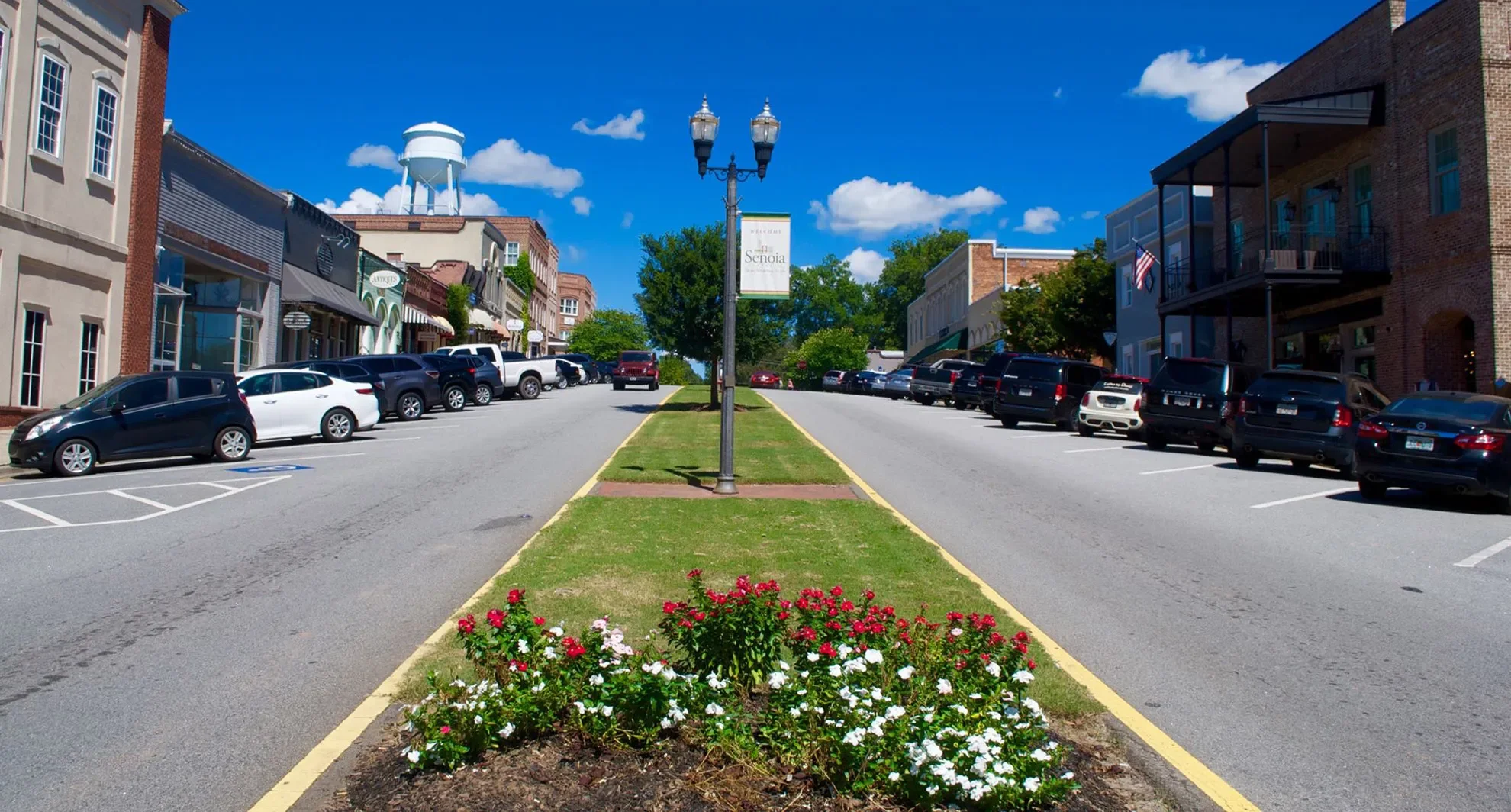
Thinking about moving to Senoia, GA? Dreaming of owning a beautiful historic home near downtown? Before purchasing one of Senoia's charming older properties, there's an important piece of information every buyer should understand: the Certificate of Appropriateness (COA).
Senoia's Historic District is one of the primary reasons the city has become one of Georgia's most desirable small towns. The preserved architecture, tree-lined streets, and timeless Southern charm attract buyers from all over Metro Atlanta and beyond.
However, owning a historic home also comes with unique responsibilities. If you're searching for Senoia GA homes for sale within the Historic District, understanding the Certificate of Appropriateness process is essential.
Here's what every buyer should know before purchasing a historic property in Senoia.
Why Senoia's Historic District Is So Popular
Senoia's downtown area is one of the most recognizable historic districts in Georgia.
Residents and visitors love:
Beautiful historic homes
Walkable streets
Boutique shopping
Locally owned restaurants
Community festivals
Preserved architecture
Small-town atmosphere
The district's character is one of the biggest reasons why people are moving to Senoia GA and why home values remain strong.
Protecting that charm is exactly why historic district guidelines exist.
What Is a Certificate of Appropriateness (COA)?
A Certificate of Appropriateness, commonly called a COA, is a formal approval process used to ensure that changes made to properties within the Historic District are compatible with the area's historic character.
Simply put:
If you want to make certain exterior changes to a historic property, you may need approval before beginning work.
The purpose isn't to make homeownership difficult—it's to preserve the architectural integrity that makes Senoia so special.
Why Does the COA Process Exist?
Historic districts throughout the country use similar guidelines to:
Protect historic resources
Preserve neighborhood character
Maintain architectural consistency
Support tourism
Protect property values
Prevent inappropriate alterations
Senoia's historic charm has become a significant part of its identity and economic success.
Maintaining that character benefits both residents and property owners.
Which Properties Are Affected?
The COA process generally applies to properties located within the designated Historic District boundaries.
Not every older home in Senoia falls within the district.
Before purchasing a property, buyers should ask:
Is the home located within the Historic District?
Are there historic guidelines that apply?
What approvals may be needed for future projects?
A knowledgeable Senoia GA real estate agent can help answer these questions.
What Types of Projects May Require a COA?
The specific requirements can vary, but projects that often require review include:
Exterior Renovations
Examples may include:
Siding replacement
Exterior painting in certain situations
Architectural modifications
Window and Door Replacements
Historic districts often seek to preserve original architectural details whenever possible.
Roof Changes
Certain roofing materials or design changes may require approval.
Additions
Expanding a historic home often requires careful review to ensure compatibility with the existing structure.
New Construction
Building a new home within the Historic District usually involves additional design considerations.
Accessory Structures
Examples include:
Garages
Sheds
Fences
Carports
Demolition
Removing historic structures generally involves extensive review.
Interior Changes Usually Aren't Restricted
One of the biggest misconceptions about historic properties is that homeowners can't update their interiors.
In most cases:
Kitchen remodels
Bathroom renovations
Flooring changes
Interior design updates
do not require historic approval.
Historic guidelines typically focus on features visible from public areas and changes that impact the property's exterior character.
Why Buyers Should Research Before Purchasing
Before buying a historic home, ask yourself:
Do you want to:
Add a large addition?
Build a detached garage?
Replace original windows?
Make major exterior changes?
If so, it's important to understand the approval process ahead of time.
For many buyers, preserving a historic home is part of the appeal. Others may prefer the flexibility offered by newer communities.
The Benefits of Historic District Guidelines
While some buyers initially view restrictions as a drawback, many homeowners appreciate the benefits.
Historic guidelines often help:
Protect neighborhood appearance
Prevent incompatible development
Preserve architectural beauty
Support long-term property values
Maintain the charm that attracts buyers
The consistency of the Historic District is one reason homes there remain highly desirable.
Historic Homes Often Hold Strong Value
Buyers are frequently willing to pay a premium for:
Walkability
Character
Architectural uniqueness
Historic charm
Proximity to downtown amenities
Because the district's appearance is protected, many buyers feel more confident about long-term value.
Questions to Ask Before Buying a Historic Home
If you're considering purchasing within Senoia's Historic District, ask:
Is the property located within the Historic District boundaries?
Have previous renovations been approved?
Are there pending projects that require approval?
What future improvements are you considering?
How might guidelines affect your plans?
Understanding these details early can help avoid surprises after closing.
Historic District vs. Modern Subdivisions
Some buyers love the character of historic homes.
Others prefer:
New construction
Fewer restrictions
Larger floor plans
Community amenities
The good news is that Senoia offers both options.
Whether you prefer the charm of downtown or the convenience of newer neighborhoods like Heritage Pointe, Keg Creek Landing, or The Parks at Olmsted, there's a lifestyle for everyone.
Why Buyers Continue Choosing Historic Senoia
Despite the additional guidelines, demand for historic homes remains incredibly strong.
Buyers are drawn to:
Timeless architecture
Walkable lifestyle
Local events and festivals
Unique properties
Strong sense of community
Few communities in Metro Atlanta offer the same level of historic charm that Senoia provides.
Final Thoughts
Purchasing a home in Senoia's Historic District can be incredibly rewarding. The character, beauty, and sense of place found in these neighborhoods are difficult to replicate anywhere else.
However, buyers should also understand the responsibilities that come with owning a historic property. The Certificate of Appropriateness process exists to preserve the very qualities that make these homes so desirable.
By understanding the guidelines before purchasing, buyers can make informed decisions and fully enjoy the unique experience of owning a piece of Senoia's history.
Thinking About Moving to Senoia, GA?
Want to learn more about historic homes, downtown living, or neighborhoods throughout Senoia?
Contact us here:
https://www.senoiaga.com/contact
The Tim Stout Group with eXp Realty is here to help you buy and sell homes in Senoia, Newnan, Peachtree City, and surrounding Coweta County communities.
🌐 https://www.fayetteandcowetahomes.com
Have questions? Contact us today and trust the real estate experts serving Senoia and surrounding are
