

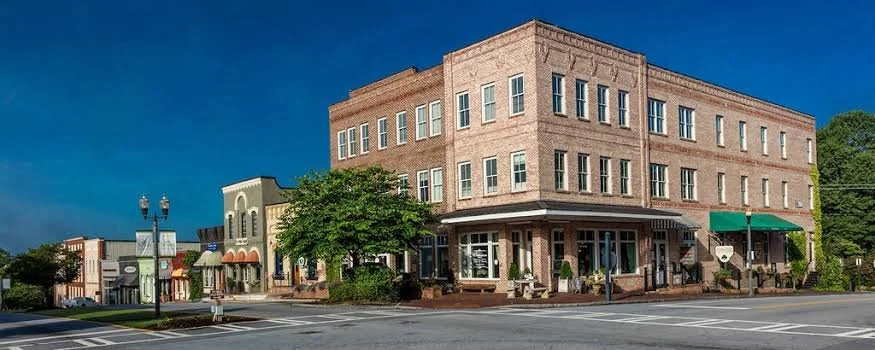
A Certificate of Appropriateness, commonly called a COA, is an approval associated with proposed changes to the exterior appearance of a property in a designated historic district or to an individually designated historic property.
In Senoia, the COA process is intended to help protect the architectural and historic character of designated areas while allowing appropriate improvements and new development.
The City's Historic Neighborhood Preservation Ordinance defines a COA as documentation approving an application for a material change in the appearance of a designated historic property or a property located within a designated historic district.
In practical terms, if you purchase a home in one of Senoia's locally designated historic areas and want to make certain exterior changes, you may need to submit plans for review before starting the project.
This does not mean that homeowners cannot renovate or improve their properties. It means that proposed changes may need to be evaluated for compatibility with the historic character of the property and surrounding district.
For buyers searching for historic homes in Senoia GA, understanding these requirements before purchasing can help prevent unexpected renovation delays or expenses.
You can review the City's Historic Neighborhood Preservation Ordinance for the legal framework behind the process.
1. Which Properties in Senoia Are Subject to Historic District Rules?
One of the first things to understand is that not every older home in Senoia is automatically subject to the same historic preservation requirements.
The City's ordinance identifies historic neighborhoods through designated boundaries shown on the official zoning map. The ordinance includes the area listed in the National Register of Historic Places as the Senoia Historic District on March 17, 1989, and provides a process for designating additional historic neighborhoods.
The local Historic Neighborhood District Overlay is especially important because it determines where the City's preservation requirements apply.
How Do You Know If a Property Is in the Historic District?
Before purchasing a home or planning renovations, verify the property's exact location.
You can start with the City's Historic Preservation Commission and District Boundaries information.
The City explains that the Historic Neighborhood District Overlay is shown on its zoning map. It also provides information and worksheets intended to help property owners understand the COA process.
Do not rely only on a home's age, architectural style, listing description, or proximity to downtown.
A home can look historic without being inside the locally regulated overlay. Conversely, a newer or non-contributing property within a designated district may still be subject to applicable review requirements.
A helpful tip for buyers: Before making an offer on a historic property, ask your real estate agent to help you confirm the property's designation and contact the City about any planned improvements.
2. What Types of Projects May Require a COA?
The most important distinction is between ordinary maintenance and a material change to a property's exterior appearance.
Senoia's ordinance identifies several categories of work that may fall under historic preservation review.
Exterior Renovations and Alterations
Projects that change the appearance of a building may require a COA.
Examples can include:
Changing the size, shape, or exterior facade of a home
Relocating doors or windows
Removing or altering architectural features
Changing exterior materials
Making substantial changes to a front porch
Adding architectural features that change the building's appearance
For example, replacing an original front porch with a substantially different design could affect the property's historic character. The appropriate approach is to discuss the proposed work with the City before hiring contractors or ordering materials.
Home Additions
Planning to add a bedroom, expand a kitchen, build a sunroom, or create additional living space?
An addition may require historic preservation review if it materially changes the exterior appearance of a property within the designated area.
The review may consider:
The addition's overall size
Its scale in relation to the original structure
Building materials
Architectural design
Placement on the lot
Setbacks
How the addition relates to the surrounding historic environment
The goal is not necessarily to prevent homeowners from adding space. Rather, the proposed design should be compatible with the historic setting.
New Construction
New construction within a designated historic neighborhood can also be subject to review.
This is important for buyers considering vacant lots, infill construction, or the construction of an additional structure on an existing property.
A new building does not have to be an exact replica of an older home to be considered compatible. However, the design should respect the scale, materials, setbacks, and character of the surrounding area.
Fences, Walls, Steps, and Other Site Features
Historic preservation is not limited to the house itself.
The ordinance includes certain site features and structures, such as:
Walls
Fences
Steps
Pavements
Other structures associated with a property
If you're considering a new driveway, substantial paving changes, a decorative wall, or a replacement fence, check with the City before proceeding.
The specific requirements depend on the property and proposed work.
Demolition and Relocation
Demolition and relocation receive particular attention under the ordinance.
The Historic Preservation Commission considers factors such as a structure's historic or architectural significance, its contribution to the district, whether it can be preserved, and the effect of its removal on the surrounding area.
The ordinance also identifies certain trees judged to be 50 years old or older among the resources considered in demolition-related review.
For buyers considering a property with significant structural issues, this is an especially important subject to investigate before purchasing.
Do not assume that purchasing a property gives you unrestricted permission to demolish an existing historic structure.
3. What Usually Does Not Require a Certificate of Appropriateness?
Not every repair or improvement requires a COA.
Senoia's ordinance includes an ordinary maintenance and repair provision.
Under Section 8.1, ordinary maintenance or repair intended to correct deterioration or sustain the existing form of an exterior feature does not require a COA when the work does not involve a material change in design, material, or exterior appearance.
Examples may include routine work that preserves an existing feature rather than changing it.
However, the distinction between repairing something and replacing it with a different design or material can be important.
For example:
Repairing an existing architectural feature may be treated differently from removing and redesigning it.
Maintaining an existing structure may be treated differently from constructing a new addition.
Replacing a deteriorated component with a substantially different material may raise questions about whether the work changes the exterior appearance.
Before starting a project, provide the City with a description and photographs of the existing condition and proposed work.
This is especially useful when a contractor recommends replacing original materials or changing an architectural detail.
Important: The City's ordinance and applicable guidelines should be used to determine whether a particular project is exempt. Do not assume that a project is exempt simply because it is described as maintenance by a contractor.
4. What Does Senoia Look for When Reviewing a COA Application?
The City's ordinance provides specific criteria for reviewing proposed changes.
For reconstruction, alteration, new construction, and renovation, the Historic Preservation Commission considers whether the proposal conforms to standards involving:
Design
Scale
Building materials
Setbacks
Site features
The Secretary of the Interior's Standards for Rehabilitation and Guidelines for Rehabilitating Historic Buildings
The overall purpose is to avoid changes that would have a substantial adverse effect on the historic, architectural, or aesthetic significance of a property or district.
Design and Architectural Compatibility
The design should make sense in its historic surroundings.
For example, an addition to a traditional home should be designed with attention to the original structure's proportions and architectural character.
A modern addition may be possible, but the design should be considered carefully rather than assuming that any style or configuration will be accepted.
Scale and Proportion
A proposed addition or new building should be evaluated in relation to surrounding structures.
A building that is significantly larger or visually out of proportion with the surrounding historic environment may create compatibility concerns.
Building Materials
Materials can have a major effect on a property's appearance.
The City's Downtown Senoia Historic District Design Guidelines discuss architectural materials, windows, storefronts, roofs, awnings, signs, and other design features.
The guidelines are particularly useful for property owners considering commercial or mixed-use improvements in the downtown area.
Setbacks and Site Features
The location of a building or addition on a lot also matters.
The City's guidelines address setbacks, spacing, parking, landscaping, screening, sidewalks, and related site features.
For commercial and mixed-use properties, these considerations help maintain the pedestrian-friendly character of downtown.
You can review the City's Historic District Design Guidelines.
5. How Does the Senoia COA Approval Process Work?
Understanding the approval process before starting a renovation can help you plan your project realistically.
The City's ordinance describes a review process involving the Historic Preservation Commission and the Mayor and City Council.
Step 1: Contact the City Before Planning Construction
Start by confirming that the property is within the designated historic area and explaining the work you want to complete.
The City of Senoia is located at:
Senoia City Hall
80 Main Street
Senoia, GA 30276
Phone: (770) 599-3679
The City's Historic Preservation Commission page provides additional information about district boundaries and COA resources.
Step 2: Obtain the Appropriate Application
The City provides information and application resources for property owners.
Ask which application is appropriate for your project and whether the City has a current checklist or worksheet that applies to the work.
The City's published Downtown Senoia design guidelines are dated September 2006. They contain application instructions, including a list of supporting materials and meeting information.
Because those instructions are older, confirm current submission procedures, deadlines, meeting dates, and application requirements directly with City staff rather than relying on an older schedule.
Step 3: Prepare Supporting Documentation
The ordinance states that a COA application must include drawings, photographs, plans, and other documentation required by the Commission.
Depending on the project, prepare to provide:
Photographs of the existing property
Proposed architectural drawings
Exterior elevations
Site plans
Building dimensions
Proposed materials
Descriptions of exterior finishes
Location of proposed improvements
Setback information
More complicated projects may require professional drawings.
A clear application makes it easier for reviewers to understand exactly what you intend to build or change.
Step 4: Historic Preservation Commission Review
The Historic Preservation Commission reviews the proposal and makes a recommendation to the Mayor and City Council under the published ordinance.
The ordinance provides for notice of the review meeting, including a sign posted on the affected property at least seven days before the review. The applicant and potentially affected adjacent property owners are given an opportunity to be heard.
The Commission may recommend approval, approval with conditions, or denial.
Step 5: Mayor and City Council Action
This is an important part of understanding Senoia's process.
Under Section 7.1 and Section 7.6 of the City's published ordinance, the application must be submitted to the Commission and approved by the Mayor and Council before a material change is made. The ordinance also states that a building permit cannot be issued without the COA.
The Mayor and Council consider the Commission's recommendation and determine whether the proposed changes would have a substantial adverse effect on the property's or district's historic, architectural, or aesthetic significance.
A note about published instructions: The City's older design-guidelines PDF describes a process in which the Commission makes the approval decision, while the ordinance identifies the Commission's recommendation followed by final action by the Mayor and Council. For the current legal approval sequence, rely on the ordinance and confirm the City's present administrative procedure before submitting an application.
Step 6: Obtain the Required Building Permit
A COA and a building permit are not interchangeable.
If your project requires a building permit, you must satisfy the applicable building and zoning requirements as well as historic preservation approval.
The City's ordinance specifically states that a building permit cannot be issued without the required COA.
Do not schedule construction based on an informal conversation or an assumption that a COA application will be approved.
6. How Long Does COA Approval Take?
Timing is important, especially if you're purchasing a home with plans to renovate before moving in.
Senoia's published ordinance establishes a timeframe for the Historic Preservation Commission to make its recommendation.
Under Section 7.8:
The Commission is to make its recommendation within 45 days after the application is filed.
The Mayor and Council take final action at the next regular meeting occurring more than 45 days after the application filing date, subject to the ordinance's provisions.
This does not mean every project will be fully approved within 45 days. The Commission's recommendation and the Mayor and Council's final action are separate steps.
Incomplete applications, design revisions, additional documentation, and meeting schedules can also affect a project's timeline.
How Long Is a COA Valid?
The ordinance states that a COA becomes void unless construction begins within six months of issuance.
It also states that certificates are issued for a period of 18 months and are renewable.
Because these timing provisions can affect renovation planning, ask the City to confirm the applicable dates and renewal procedure for your particular approval.
A buyer planning to renovate immediately after closing should account for the COA process when establishing a purchase and construction timeline.
7. What Happens If a COA Application Is Denied?
A denied application does not necessarily mean that the project can never happen.
Under the ordinance, the Mayor and Council must provide reasons for a denial and may suggest alternative courses of action.
An applicant can modify the plans and submit a revised application.
For example, if a proposed addition is considered too large or incompatible with the surrounding architecture, a revised design with different proportions, materials, or placement may be worth considering.
The ordinance also includes an undue hardship provision. Under certain unusual circumstances, the Mayor and Council may vary or modify strict application of the requirements when doing so is consistent with the ordinance's preservation purpose.
The ordinance explains that hardship cannot be a situation created by the property owner.
It also provides an appeal procedure through a petition for a writ of certiorari to the Superior Court of Coweta County. The published ordinance identifies a 30-day filing period after the applicable determination.
Because appeals involve legal deadlines and procedures, anyone considering an appeal should consult a qualified Georgia attorney.
8. What Should Buyers Know Before Purchasing a Historic Home in Senoia?
For buyers searching for Senoia GA homes for sale, historic properties can offer distinctive architecture, established landscaping, and proximity to the city's traditional downtown environment.
However, the purchase price is only one part of the financial picture.
A property that needs substantial exterior improvements may require additional planning because of the COA process.
Before purchasing, consider asking these questions:
Is the property inside the local historic district overlay?
Confirm the address with the City. Do not rely solely on the home's age or listing description.
Are there planned renovations?
If you want to add a garage, replace windows, change a porch, build an addition, or make other exterior changes, ask the City what approvals may be required.
Are there existing COAs or unresolved issues?
Ask whether previous exterior work was approved when approval was required. Request available documentation from the seller and verify relevant information with the City.
What is the condition of the home?
A professional inspection is especially important for older homes. Review the roof, foundation, electrical systems, plumbing, HVAC, drainage, windows, and any previous renovations.
Are you comfortable with the renovation timeline?
If your plans depend on completing exterior work before moving in, build approval time into your schedule.
A home can be an excellent opportunity, but buyers should understand both the property and its regulatory requirements before making a commitment.
9. What Should Sellers Know About Selling a Home in Senoia's Historic District?
Historic properties can appeal to buyers who appreciate character, architecture, and the opportunity to own a piece of Senoia's history.
However, sellers should prepare their homes carefully and be ready to answer questions about previous improvements.
Gather Renovation Records
If you have completed exterior renovations, collect any available:
COA approvals
Building permits
Contractor invoices
Architectural plans
Material specifications
Inspection documentation
Having these records available can help buyers understand the property's renovation history.
Be Clear About Historic District Status
A listing should accurately describe the property's location and any applicable preservation requirements.
Avoid making broad claims about renovation freedom or restrictions without verifying the property's designation and the City's current rules.
Highlight the Property's Character
Historic home buyers may be drawn to:
Original architectural details
Traditional porches
Hardwood floors
Established trees and landscaping
Historic exterior features
Thoughtful renovations
Proximity to downtown Senoia
Good marketing should communicate both the charm of the property and the practical information buyers need to make an informed decision.
If you're considering selling, a local real estate professional can help you understand how the home's condition, location, and historic characteristics may affect its marketability.
10. Does Historic District Designation Mean a Property Is on the National Register?
This is an important distinction for anyone buying a historic property.
The National Register of Historic Places and a locally regulated historic district are not the same thing.
A National Register listing recognizes historic significance at the national level. Local historic district designation is established through local government action and can include enforceable review requirements under the applicable ordinance.
Senoia's ordinance identifies the National Register-listed Senoia Historic District as part of its historic neighborhood framework.
The local ordinance is what establishes the City's COA review requirements for designated properties.
In other words, do not assume that National Register recognition alone tells you everything about what renovations are permitted.
For a broader explanation of historic preservation ordinances, visit the Georgia Department of Community Affairs Historic Preservation resources.
11. Is Buying a Historic Home in Senoia Worth It?
For the right buyer, absolutely.
Senoia's historic character is part of what makes the city distinctive. Historic homes can offer architectural features, established neighborhoods, and a connection to the community's past.
Living near downtown can also provide access to local restaurants, boutiques, community events, and the small-town atmosphere that attracts people moving from other parts of Metro Atlanta.
However, historic homeownership comes with responsibilities.
Buyers should be comfortable researching property conditions, understanding preservation requirements, and planning improvements carefully.
A historic home may be a great fit if you:
Appreciate traditional architecture
Enjoy established neighborhoods
Are comfortable maintaining an older property
Prefer character over a completely standardized floor plan
Are willing to research renovation requirements
Want to live near Senoia's downtown environment
If you prefer unrestricted exterior design changes or want to complete major renovations immediately, a newer home outside the designated historic area may be a better fit.
The best decision comes down to your lifestyle, budget, and renovation goals.
Frequently Asked Questions About Senoia Historic District COA Rules
What is a Certificate of Appropriateness in Senoia, GA?
A Certificate of Appropriateness is an approval for certain material changes to the exterior appearance of designated historic properties or properties within a designated historic district.
Do all historic homes in Senoia require a COA?
No. A home's age alone does not determine whether it is subject to the local COA requirements. The property's designation and location within the official historic district boundaries matter.
Do I need a COA to renovate the inside of my historic home?
The ordinance states that interior arrangements or uses that have no effect on exterior architectural features are not considered in COA review. Separate building, electrical, plumbing, or other permits may still apply.
Do I need a COA to replace windows in Senoia?
Changing window locations, designs, or architectural features may constitute a material exterior change. Ask the City whether your specific window project requires approval before ordering replacements.
Can I build an addition to a historic home in Senoia?
Potentially, yes. Additions may be reviewed for design, scale, materials, setbacks, and compatibility with the historic property and district.
Can I demolish a historic home in Senoia?
Demolition is subject to historic preservation review when the applicable ordinance covers the property. The Commission considers historic significance, contribution to the district, preservation possibilities, and other factors.
How long does COA approval take in Senoia?
The ordinance provides for a Commission recommendation within 45 days after filing. Final action by the Mayor and Council is a separate step. Ask the City for the current application schedule and expected timeline.
Can I start construction after receiving a COA?
A COA is not a substitute for a building permit. Obtain all required approvals and permits before beginning construction.
Where can I get a COA application in Senoia?
Start with the City's Historic Preservation Commission and District Boundaries page or contact Senoia City Hall at (770) 599-3679.
Does Senoia have historic district design guidelines?
Yes. The City publishes Historic District Design Guidelines covering topics such as architecture, materials, setbacks, parking, landscaping, storefronts, windows, roofs, and signs.
Final Thoughts: Understand the COA Rules Before Buying or Renovating in Senoia
Senoia's historic homes and neighborhoods are an important part of the city's identity. Preserving that character helps maintain the architectural details and traditional atmosphere that make the community attractive to residents and visitors.
For homeowners, understanding the Certificate of Appropriateness process is an important part of responsible property ownership. For buyers, confirming historic district boundaries and renovation requirements before purchasing can prevent surprises. For sellers, having documentation about previous improvements can help answer buyer questions and support a smoother transaction.
The most important advice is to contact the City of Senoia before beginning exterior work on a property that may be subject to historic preservation requirements. Confirm the property's designation, identify the approvals needed, and make sure the project follows the applicable ordinance and current procedures.
If you're considering buying or selling a historic home, searching for Senoia GA homes for sale, or exploring real estate opportunities in Coweta County, having a knowledgeable local real estate professional can make a meaningful difference.
The Tim Stout Group with eXp Realty helps buyers and sellers throughout Senoia, Newnan, Peachtree City, and surrounding communities. Whether you're looking for a historic home near downtown, a newer home in a growing neighborhood, or guidance on selling a property with unique features, our team can help you understand your options and navigate your next move.
Thinking about buying or selling a home in Senoia, GA?
Contact the Tim Stout Group today.
Call: (678) 967-3367
Website: https://fayetteandcowetahomes.com
Email: tim@mybrokerage.com
