

Owning Historic Real Estate in Senoia: Tax Incentives, Maintenance, and Preservation Rules
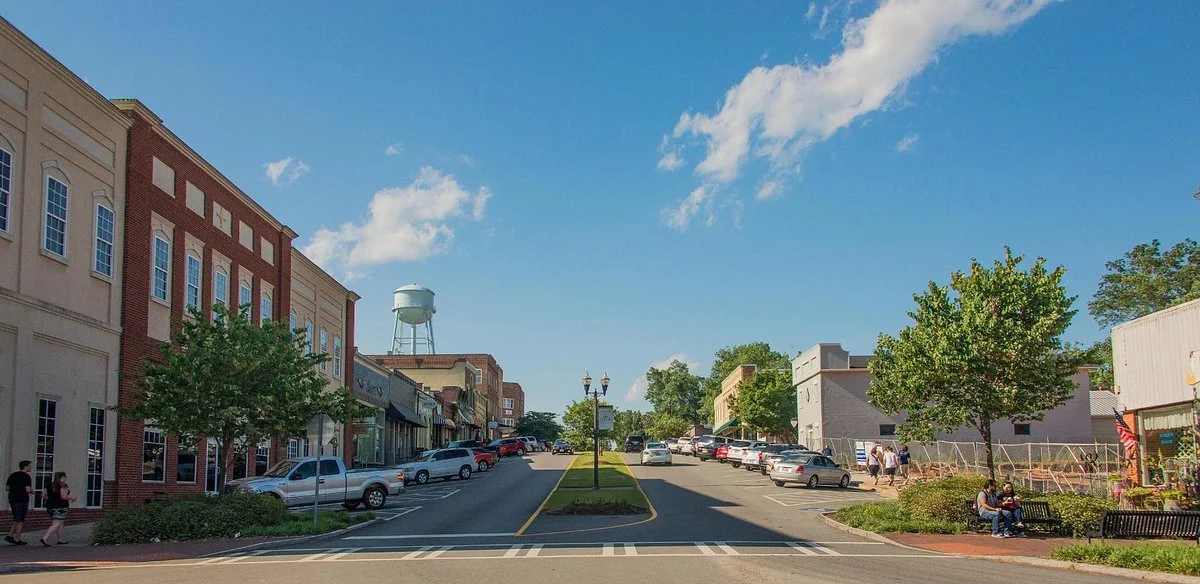
Senoia, Georgia, has a distinctive character that appeals to people looking for more than a typical suburban house. Its historic downtown, established residential streets, locally owned businesses, and small-town atmosphere make it an attractive destination for buyers who appreciate architecture, community character, and homes with a story.
For some buyers, the dream is a historic cottage near downtown. Others are drawn to older homes with wide porches, original woodwork, mature trees, and architectural details that can be difficult to replicate in new construction.
But owning a historic property involves more than appreciating its appearance.
Before purchasing historic homes in Senoia, GA, buyers should understand renovation costs, preservation requirements, potential tax incentives, and the responsibilities that come with maintaining an older building.
The good news is that Georgia offers historic rehabilitation incentives for qualifying properties, and Senoia has a local Historic Preservation Commission that helps protect the character of its historic district.
The key is knowing which rules apply to the property you're considering—and understanding that not every older home qualifies for the same benefits.
Whether you're searching for a historic home to live in, considering an investment property, or preparing to sell an older home, this guide explains what you should know before making your next real estate decision.
1. Understanding Senoia's Historic District
Senoia's historic character is a significant part of the city's identity. The city reports that the Senoia Historic District was entered on the National Register of Historic Places on March 17, 1989.
The local Historic Preservation Commission was established under the city's Historic Neighborhood Preservation Ordinance to help guide preservation, rehabilitation, restoration, reconstruction, and compatible new construction within the district.
Its goal is to protect the architectural and historic character of the neighborhood while allowing appropriate improvements and continued use of historic properties.
You can learn more through the City of Senoia Historic Preservation Commission.
What does that mean for homeowners?
If you're considering a property in or near downtown Senoia, determine whether it falls within the city's Historic Neighborhood District Overlay.
The city's preservation rules may apply to properties within the designated local district, and certain exterior changes require review and approval through a Certificate of Appropriateness process.
This can affect projects such as:
Altering the exterior appearance of a historic house
Replacing or changing certain windows and doors
Modifying porches or visible architectural features
Constructing additions
Building new structures
Changing exterior materials or design elements
Relocating a building or making other significant changes
The exact requirements depend on the property, the proposed work, and the applicable local rules.
Before making plans, review the city's historic district boundaries and historic preservation guidelines.
Important distinction: A home's age or traditional architectural appearance does not automatically mean it is subject to every historic preservation rule. Confirm the property's exact status and location with the city.
2. What Is a Certificate of Appropriateness?
A Certificate of Appropriateness, often abbreviated as COA, is part of Senoia's local historic preservation review process.
When a proposed project requires approval, the Historic Preservation Commission evaluates whether the planned changes are appropriate for the property's historic and architectural character.
According to the city's published preservation guidelines, relevant considerations include:
Design
Scale
Building materials
Setbacks
Site features
Compatibility with the historic district
Applicable rehabilitation standards
Depending on the proposal, professional drawings or other supporting documents may be required.
Why should buyers care before purchasing?
Imagine finding an older home with an attractive front porch and original windows. You plan to modernize the exterior, enlarge the porch, or replace the windows after closing.
If the property is within the local historic district, some of those plans may require review before work begins.
That doesn't necessarily mean the project cannot proceed. It means you should understand the process before spending money on contractors or assuming a particular design will be approved.
For prospective buyers, a sensible approach is to:
Confirm whether the property is in the local historic district.
Identify the exterior changes you want to make.
Contact the city's Historic Preservation Commission or appropriate city department.
Ask which approvals, plans, and permits are needed.
Include review time and possible design revisions in your renovation schedule.
You can find the city's Certificate of Appropriateness information and application resources here.
Checking early can help you avoid costly surprises after closing.
3. Georgia Historic Home Tax Credits: What's Changed in 2026?
One of the most important considerations for buyers planning a major renovation is Georgia's historic rehabilitation tax credit program.
Georgia has expanded eligibility for its historic-home income tax credit beginning in 2026. Under the updated rules, certain owner-occupied primary residences that are locally designated historic properties or contribute to a local historic district may qualify, provided the required certification and other program conditions are met.
The Georgia Department of Community Affairs administers the historic preservation program, and the Georgia Department of Revenue publishes tax-credit information.
Official resources include the Georgia DCA Historic Tax Incentives page and the Historic Rehabilitation Credit for Historic Homes.
How much is the Georgia historic-home tax credit?
The state program can provide a tax credit equal to 25% of qualifying rehabilitation expenses, with a cap of $100,000 for a qualifying principal residence.
However, the percentage and cap are only part of the eligibility requirements.
The project must meet the program's rules, including requirements involving the property's historic status, qualifying rehabilitation expenses, rehabilitation standards, and substantial rehabilitation.
The program also has an overall annual credit limit, so buyers should confirm current availability and application requirements with the state before relying on a potential credit in their budget.
Does every older home in Senoia qualify?
No.
A home does not automatically qualify simply because it is old, located near downtown, or described as historic in a real estate listing.
For the owner-occupied historic-home credit, the property must satisfy the applicable designation or district criteria and receive the required certification. For properties relying on local designation or contribution to a local district, additional certification requirements apply under the 2026 rules.
The rehabilitation work must also meet the applicable standards and substantial rehabilitation requirements.
Before buying a property for its potential tax benefit, confirm eligibility with Georgia's Historic Preservation Division and a qualified tax professional.
Can you use the tax credit for ordinary maintenance?
Not every repair or improvement necessarily qualifies as a rehabilitation expense.
Routine upkeep, decorative changes, appliances, landscaping, and other costs may receive different treatment under program rules.
Keep detailed records of the work, contracts, invoices, photographs, and approvals. Confirm which expenses qualify before assuming a particular project cost will generate a credit.
Official program details are available through the Georgia Department of Community Affairs.
4. Georgia's Preferential Property Tax Assessment Program
Georgia also offers a Preferential Property Tax Assessment Program for qualifying historic properties.
This is different from the historic-home income tax credit.
The state program can freeze the county property tax assessment for approximately 8.5 years, subject to eligibility and program requirements.
According to Georgia's Department of Community Affairs, qualifying properties must meet applicable historic designation and rehabilitation requirements. The rehabilitation must also increase the fair market value of the building by a required percentage, which varies by the property's new use.
The program can apply to qualifying principal residences as well as income-producing properties, but eligibility is not automatic.
Read the official Georgia preferential property tax assessment requirements.
Why this matters for Senoia buyers
A substantial renovation can increase the usefulness and value of an older property, but it can also affect the property's tax assessment.
If you're considering a historic home that needs significant work, understanding this program before beginning the project may help you evaluate the long-term financial picture.
However, don't assume that a tax assessment freeze means all property taxes disappear or that every tax bill will remain unchanged. The program concerns the qualifying assessment under its rules, and actual taxes depend on applicable rates and circumstances.
Discuss eligibility, timing, and possible savings with the appropriate state and local offices before building them into your purchase calculations.
5. What About the Federal Historic Rehabilitation Tax Credit?
Buyers also sometimes hear about a federal historic rehabilitation tax credit.
The federal program offers a 20% income tax credit on qualified rehabilitation expenses for eligible certified historic buildings used for income-producing purposes.
It is not generally available for a private, owner-occupied residence.
Eligible uses may include qualifying commercial buildings, rental residential properties, and other income-producing buildings that meet the program's requirements.
The project must meet the applicable historic designation and rehabilitation standards, and the application process involves review by the state historic preservation office and the National Park Service.
The National Park Service's eligibility guidance explains the requirements, including the substantial rehabilitation test and the distinction between owner-occupied homes and income-producing buildings.
What if you want to rent out a historic Senoia property?
If you're considering a historic building as a rental or commercial investment, you may want to investigate the federal program alongside Georgia's state incentives.
But the potential tax benefit should be only one part of your investment analysis.
You still need to evaluate purchase price, rehabilitation costs, property management, insurance, vacancy, maintenance, financing, and rental demand.
A tax credit does not automatically make a project profitable, and eligibility should be confirmed before committing to the investment.
6. The Real Cost of Maintaining a Historic Home
Historic homes can offer architectural features that give them a distinctive personality, but older buildings may require specialized care.
The cost of ownership depends on the property's condition, past maintenance, construction methods, materials, and the improvements needed to make it comfortable and functional.
Before purchasing a historic home in Senoia, consider the following areas.
Roofs and water management
Water intrusion can cause substantial damage to older houses.
Inspect the roof, flashing, gutters, downspouts, drainage, and areas where water could enter around windows, chimneys, or additions.
A qualified inspector or roofing contractor can help identify issues that may not be obvious during a showing.
Foundations and structural components
Older homes may have construction methods or foundations that differ from modern houses.
Look for signs of settlement, moisture, damaged framing, or previous repairs. Not every crack indicates a serious structural problem, but concerns should be evaluated by an appropriate professional.
Windows, doors, and exterior materials
Original windows, doors, siding, and trim can contribute significantly to a home's character.
Before replacing them, determine whether repair is possible and whether local preservation review applies. Repairing historic components may sometimes be preferable to replacing them, depending on their condition and the project's requirements.
Plumbing and electrical systems
An attractive historic house may still have outdated mechanical systems.
Ask about the age and condition of electrical wiring, plumbing, water heaters, heating and cooling equipment, and other major systems. Budget for repairs or replacement where needed.
Moisture, ventilation, and insulation
Older houses can have moisture-management and energy-efficiency challenges.
Before adding insulation or sealing the building tightly, understand how the walls and roof are designed to manage moisture. Inappropriate materials or installation methods can create problems in older structures.
A contractor experienced in historic rehabilitation can help identify suitable approaches.
Pest and wood-damage inspections
Termites, wood decay, and other pests can affect older homes, especially where moisture is present.
Consider the findings of the home inspection and any additional specialist evaluations recommended for the property.
The most useful rule is simple: inspect the house you are buying, not the age or charm of the house you imagine owning.
7. How to Renovate a Historic Home Without Losing Its Character
A successful historic renovation balances the home's original character with modern comfort and safety.
That may mean updating the kitchen, improving the bathroom, addressing structural issues, or enhancing energy efficiency while preserving features that contribute to the home's architectural significance.
Here are practical strategies to consider.
Start with a detailed inspection
Before closing, arrange a professional home inspection and specialist evaluations where warranted. Identify urgent repairs, near-term maintenance, and optional improvements separately.
Prioritize essential work
Roof leaks, structural concerns, unsafe wiring, plumbing problems, and water intrusion should generally receive attention before cosmetic projects.
Preserve rather than replace when appropriate
Where practical, consider repairing original materials and features rather than automatically removing them.
The right decision depends on condition, safety, cost, and any applicable preservation requirements.
Use contractors who understand older homes
Historic materials and construction techniques can require different approaches from modern building methods.
Ask prospective contractors about their experience with older homes, their references, insurance, proposed materials, and familiarity with Senoia's preservation process.
Check approvals before starting
If the property is subject to local historic review, contact the city before making exterior changes. Determine whether a Certificate of Appropriateness, building permit, or other approval is required.
Georgia's tax incentive programs may also require advance application steps and compliance with rehabilitation standards.
Keep organized documentation
Save inspection reports, contractor proposals, invoices, permit records, approval letters, and photographs taken before and during the project.
Documentation can help you manage the renovation, demonstrate compliance, and support a tax-credit application when applicable.
8. Buying a Historic Home in Senoia: A Practical Checklist
If you're actively searching for Senoia GA homes for sale, use this checklist before making an offer on a historic property.
Confirm the property's exact location and historic designation.
Check whether the property falls within Senoia's local Historic Neighborhood District Overlay.
Ask the city which proposed exterior changes require review.
Obtain a thorough home inspection.
Investigate the roof, foundation, drainage, electrical system, plumbing, and HVAC.
Request available records of past renovations and repairs.
Estimate urgent repairs separately from desired upgrades.
Ask the Georgia Historic Preservation Division about tax-credit eligibility before beginning work.
Confirm whether the substantial rehabilitation test and other program requirements apply.
Discuss tax treatment with a qualified tax professional.
Review insurance options and any lender requirements for the property's condition.
Consider the home's resale appeal, ongoing maintenance, and long-term suitability.
This process can help you decide whether the property is the right fit—not only emotionally, but financially.
9. Is a Historic Home in Senoia a Good Real Estate Investment?
Historic properties can appeal to buyers who value architectural character, walkability, established surroundings, and proximity to downtown amenities.
For some owners, the appeal is personal: they want a home with original details and a connection to the community's history.
For others, a historic property may form part of a longer-term investment plan.
But the financial performance of any historic home depends on the individual property and the broader market.
Potential advantages include distinctive features, limited architectural comparables, and opportunities to improve a property through thoughtful rehabilitation.
Potential challenges include higher maintenance needs, specialized contractor costs, preservation review, renovation uncertainty, and limits on certain proposed changes.
Tax incentives can help qualifying projects, but they should not be the sole reason to buy.
Before purchasing an investment property, assess the realistic cost of rehabilitation and compare it with expected rental income or resale value. Historic character may appeal to a particular group of buyers, but it does not guarantee faster appreciation or a profitable sale.
For current pricing and property availability, review the Senoia housing market overview on Realtor.com. Market figures change over time, so use current comparable properties and professional guidance when evaluating a specific home.
10. Selling a Historic Home in Senoia: How to Highlight Its Value
If you own a historic home and are considering selling, its architectural character can be an important part of your marketing strategy.
Buyers may be interested in original features, the property's history, proximity to downtown, previous renovations, and any preservation work that has been completed.
Before listing, gather information about:
Documented renovation and maintenance history
Historic designation or district status
Permits and preservation approvals
Original or restored architectural features
Recent roof, HVAC, plumbing, or electrical work
Any available documentation for qualifying rehabilitation projects
Avoid promising a buyer that a property qualifies for a tax credit unless eligibility has been verified. Similarly, don't imply that a renovation has been approved if the necessary approvals are still pending.
Professional photography, accurate listing details, and a clear explanation of the property's features can help interested buyers understand what makes the home special.
A local real estate professional can help position the home for the right audience and evaluate how its condition, location, and character compare with other properties on the market.
11. Why Local Real Estate Guidance Matters
Historic property transactions often involve questions that go beyond a typical home purchase.
A buyer may need to compare two similar homes with very different repair requirements. A seller may need to organize renovation records. An investor may want to investigate tax incentives before committing to a project.
A knowledgeable Senoia GA real estate agent can help you assess the property's market position, identify questions to ask, and coordinate with inspectors, contractors, preservation officials, and tax professionals.
Real estate agents are not substitutes for tax advisers, attorneys, engineers, or preservation officials. Their role is to help you navigate the property transaction and connect the relevant considerations so you can make an informed decision.
If you're moving to Senoia, an experienced local agent can also help you compare historic homes with newer construction and other neighborhoods in the surrounding Coweta County area.
Frequently Asked Questions About Historic Homes in Senoia, GA
Do all historic homes in Senoia qualify for tax credits?
No. Eligibility depends on the property's qualifying historic status, the type and scope of rehabilitation, certification, and other program rules. A home's age alone is not enough.
Can I renovate a home in Senoia's historic district?
Yes, renovations may be possible, but certain exterior changes within the local Historic Neighborhood District Overlay require review and approval. Confirm the specific requirements with the city before beginning work.
Can owner-occupied historic homes qualify for Georgia's tax credit in 2026?
Certain qualifying owner-occupied primary residences may be eligible under Georgia's updated 2026 rules, including some locally designated properties or homes contributing to a local historic district. Certification and rehabilitation requirements still apply.
Does the federal historic rehabilitation tax credit apply to my personal residence?
Generally, no. The federal 20% rehabilitation credit is for eligible income-producing historic buildings, not an ordinary private, owner-occupied residence.
Is maintaining a historic home more expensive?
It can be, particularly if the property needs roof work, structural repairs, updated systems, or specialized materials and contractors. Costs vary widely, so a thorough inspection and realistic renovation budget are essential.
Where can I verify Senoia's preservation requirements?
Start with the City of Senoia Historic Preservation Commission, its district boundaries, and the city's preservation guidelines. For state tax incentives, consult the Georgia Department of Community Affairs.
Final Thoughts: Preserving Senoia's History While Making a Smart Real Estate Move
Owning a historic home in Senoia can be a rewarding experience for buyers who appreciate distinctive architecture, established neighborhoods, and the city's historic character.
It also calls for thoughtful planning.
Before purchasing, understand the property's historic designation, local preservation requirements, condition, and potential maintenance costs. If you intend to renovate, verify approvals and investigate Georgia's tax incentives before beginning work. Never assume that a property or project qualifies simply because the home is old.
For sellers, documentation of past improvements and preservation work can help tell the property's story. For buyers, careful inspections and realistic budgeting can make the difference between a renovation project that fits your plans and one that becomes unexpectedly expensive.
Thinking about buying or selling historic real estate in Senoia, GA? Connect with Tim Stout Group with eXp Realty for local real estate guidance, help comparing properties, and support as you navigate your next move in Senoia and the surrounding communities.
Let's help you make the right move—fast, profitable, and stress-free—in Senoia, GA real estate.
