

Buying in the Historic District vs. Senoia's New Subdivisions: The Architectural and Legal Realities
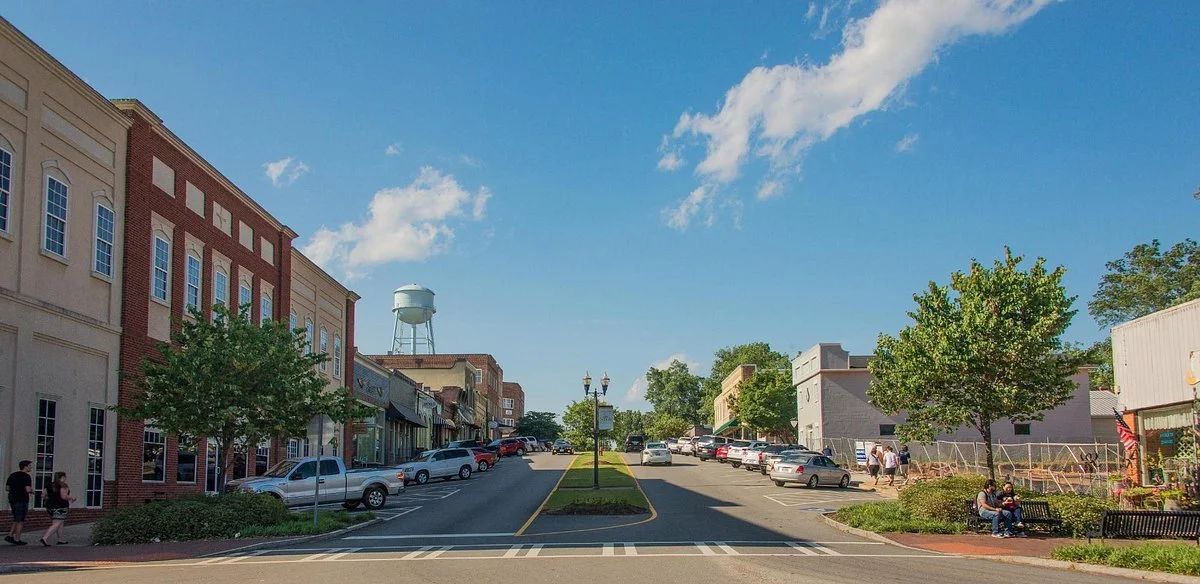
Wondering whether a charming historic home or a brand-new construction better fits your lifestyle? Have questions about Senoia GA homes for sale? Contact us here: https://www.senoiaga.com/contact
One of the most unique aspects of the Senoia real estate market is the variety of homes available. Buyers can choose from beautifully restored historic residences within the heart of downtown or modern homes in thoughtfully planned subdivisions featuring today's most popular floor plans and amenities.
Both options offer tremendous appeal—but they come with very different responsibilities, expectations, and ownership experiences.
If you're considering moving to Senoia GA, understanding the architectural differences and the rules that may apply to each type of property can help you make a confident decision.
Disclaimer: This article is intended for general educational purposes only and should not be considered legal advice. Historic preservation regulations, HOA covenants, zoning ordinances, and local requirements can change. Buyers should verify all applicable rules with the City of Senoia, their real estate professional, HOA, and legal counsel before purchasing.
Two Very Different Homeownership Experiences
Although both types of neighborhoods are located within the same city, they offer distinctly different lifestyles.
Historic District homes often provide:
Original architecture
Walkability
Mature landscaping
Historic charm
Unique craftsmanship
New subdivisions typically offer:
Modern floor plans
Energy-efficient construction
Community amenities
Lower maintenance
Builder warranties
Neither is inherently better—they simply appeal to different buyers.
Living in Senoia's Historic District
Historic Downtown Senoia remains one of Georgia's most charming small-town centers.
Homeowners enjoy:
Walking to restaurants
Boutique shopping
Community events
PorchFest
Farmers markets
Historic architecture
For many buyers, owning a historic home is about becoming part of the town's story.
Architectural Character Is Difficult to Replicate
Historic homes often feature details rarely found in new construction.
Examples include:
Original hardwood floors
Brick fireplaces
Wide front porches
Detailed trim work
Tall ceilings
Historic windows
Custom craftsmanship
Every home has its own personality.
Many buyers specifically seek these one-of-a-kind characteristics.
Historic Preservation May Affect Exterior Changes
One important consideration for buyers involves historic preservation requirements.
Depending on the property's location and local regulations, certain exterior changes may require review or approval before work begins.
Projects that sometimes receive additional review may include:
Exterior renovations
Window replacements
Roof modifications
Additions
Demolition
Certain exterior materials
These guidelines help preserve the historic character that makes Downtown Senoia so unique.
Before purchasing, buyers should understand any applicable preservation requirements for the property they're considering.
Renovation Can Be Rewarding
Many buyers enjoy restoring historic homes.
Owning an older property often provides opportunities to:
Preserve original features
Modernize interiors
Improve functionality
Increase long-term value
Historic renovations can be highly rewarding—but they also require thoughtful planning.
New Subdivisions Offer Modern Convenience
For buyers who prioritize move-in-ready living, newer subdivisions provide a very different experience.
Popular communities include:
Heritage Pointe
Fieldstone Estates
Keg Creek Landing
The Parks at Olmsted
Savannah Crossing
Blackberry Run
Many feature modern construction with today's most desirable layouts.
Contemporary Floor Plans
New homes frequently include:
Open-concept kitchens
Large islands
Flexible office space
Energy-efficient systems
Smart home technology
Spacious primary suites
These designs often appeal to growing families and buyers relocating from larger metropolitan areas.
HOA Communities May Have Different Rules
Many newer subdivisions operate under homeowners associations (HOAs).
HOAs often establish standards regarding:
Exterior appearance
Landscaping
Parking
Fencing
Architectural modifications
Community amenities
These guidelines help maintain neighborhood consistency while protecting property values.
Buyers should carefully review all HOA documents before purchasing.
Maintenance Differences
Historic homes and new construction generally require different types of maintenance.
Historic homes may involve:
Older plumbing
Original electrical systems
Historic materials
Ongoing preservation
New homes typically offer:
New mechanical systems
Builder warranties
Modern materials
Lower maintenance during the early years
Maintenance expectations often influence buyer preferences.
Walkability vs. Community Amenities
Lifestyle is another important distinction.
Historic District
Residents often enjoy walking to:
Restaurants
Coffee shops
Festivals
Shopping
Community events
New Subdivisions
Residents often enjoy:
Swimming pools
Tennis courts
Walking trails
Clubhouses
Playgrounds
Golf course amenities
Each offers a different version of community living.
Privacy and Lot Sizes
Historic neighborhoods frequently feature:
Mature trees
Established landscaping
Unique lot layouts
Individual architectural styles
New subdivisions often provide:
Consistent neighborhood appearance
Sidewalks
Planned green space
Modern streetscapes
Buyers should consider which environment best fits their lifestyle.
Resale Considerations
Both historic homes and newer construction can perform well in the Senoia GA real estate market.
Historic properties often appeal to buyers seeking:
Character
Walkability
Architectural uniqueness
New homes attract buyers looking for:
Modern finishes
Energy efficiency
Minimal maintenance
Contemporary layouts
The strongest investment is often the home that best matches your long-term needs.
Questions to Ask Before Buying
Regardless of which option you prefer, ask questions such as:
Are there HOA restrictions?
Does the property fall within a historic district?
Are exterior modifications regulated?
What improvements have already been completed?
What maintenance should I expect?
Are there neighborhood design guidelines?
Understanding these details before closing helps avoid surprises later.
Which Buyer Prefers Historic Homes?
Historic properties often appeal to:
Architecture enthusiasts
Empty nesters
Professionals
Buyers seeking walkability
Preservation-minded homeowners
Many owners appreciate becoming part of Senoia's history.
Which Buyer Prefers New Construction?
New subdivisions frequently attract:
Growing families
First-time buyers
Relocating professionals
Remote workers
Buyers wanting lower maintenance
Modern communities continue growing because they meet today's evolving lifestyle preferences.
Suggested Internal Link Opportunities
Senoia's Historic District Guidelines: What Buyers Need to Know
Living in the Hollywood of the South
The Ultimate Weekend Itinerary in Senoia
Suggested External Resources
City of Senoia Historic Preservation information
Senoia Development Authority
Coweta County Property Information
Conclusion
Senoia offers something many communities cannot: the opportunity to choose between timeless historic charm and thoughtfully designed modern neighborhoods.
If you dream of front porches, walkable streets, and beautifully preserved architecture, the Historic District may be the perfect fit. If you prefer open floor plans, energy-efficient construction, and neighborhood amenities, one of Senoia's newer subdivisions may better suit your lifestyle.
Whichever path you choose, understanding the architectural character, neighborhood expectations, and any applicable preservation or HOA requirements will help you make a well-informed decision.
Thinking About Moving to Senoia, GA?
Whether you're searching for a historic cottage near Main Street or a new home in one of Senoia's premier communities, the Tim Stout Group with eXp Realty is here to help.
Contact us here:
https://www.senoiaga.com/contact
The Tim Stout Group proudly serves buyers and sellers throughout Senoia, Newnan, Peachtree City, and surrounding Coweta County communities.
Trust the local real estate experts who know Senoia's neighborhoods, history, and market inside and out.
