

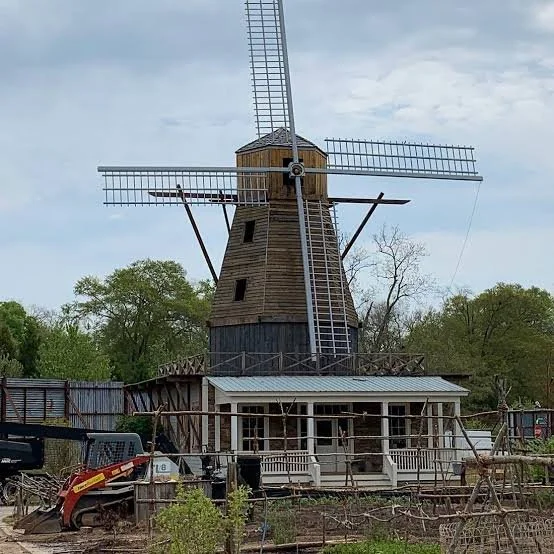
Senoia, Georgia, may be best known to television fans as the fictional town of Woodbury from AMC's hit series The Walking Dead. But long before zombies appeared on Main Street, Senoia was already a community with a rich history, distinctive architecture, and a small-town atmosphere that made it attractive to filmmakers.
Over the years, movies and television productions helped introduce Senoia to audiences around the world. The arrival of major productions brought more than cameras and actors. It created opportunities for local businesses, supported jobs, attracted visitors, and helped transform downtown into a destination for shopping, dining, and entertainment.
Today, Senoia is much more than a filming location. It is a growing residential community in Coweta County, known for its historic downtown, locally owned businesses, established neighborhoods, and connection to Georgia's entertainment industry.
For people researching Senoia GA real estate, understanding the town's film history helps explain part of its economic development and cultural identity. It also provides insight into why visitors continue to discover Senoia and why some choose to make it their hometown.
In this guide, we explore how movie production changed Senoia, the economic impact of film tourism, the businesses that grew alongside the industry, and what the town's entertainment legacy means for future residents and real estate buyers.
Senoia's Early Connection to the Georgia Film Industry
Senoia's relationship with the film industry did not begin with The Walking Dead. The town and surrounding Coweta County locations had already attracted filmmakers because of their historic architecture, rural landscapes, and traditional Southern appearance.
One of the most recognizable productions connected to the area is Fried Green Tomatoes, the 1991 film based on Fannie Flagg's novel. Other productions associated with Senoia and the surrounding region include Pet Sematary II, Drop Dead Diva, and additional television and movie projects.
The area's appeal is easy to understand. Historic storefronts, older homes, tree-lined streets, and relatively close proximity to Atlanta give filmmakers access to settings that can represent many different communities.
Instead of building an entire fictional town from scratch, production companies can use existing streets and buildings to create believable environments.
Senoia's historic downtown became especially valuable because it already had the look and character that filmmakers wanted. Its traditional storefronts and recognizable Main Street provided a natural backdrop for productions requiring a small-town setting.
The development of Riverwood Studios, later known as Raleigh Studios Atlanta, also helped strengthen the area's connection to film production. Studio facilities gave productions access to production space and infrastructure near the town's filming locations.
This combination of downtown locations, nearby studio resources, and Georgia's growing entertainment industry helped establish Senoia as an important filming destination.
The Walking Dead: The Production That Put Senoia on the International Map
Although Senoia had a film history before 2010, few productions changed its public identity as dramatically as The Walking Dead.
The AMC series premiered in October 2010 and became one of the most recognizable television shows of its era. Although the first season was primarily filmed in the Atlanta area, production increasingly used locations throughout Georgia, including Senoia.
Downtown Senoia became the fictional community of Woodbury during the show's third season. Nearby production facilities and other locations helped bring the show's post-apocalyptic world to life.
For viewers around the world, Senoia became recognizable as more than a small Georgia town. It became a destination connected to favorite characters, memorable scenes, and one of television's most successful horror franchises.
The show ran for 11 seasons, concluding its original series in 2022. Its impact on Senoia, however, did not end when filming wrapped.
In fact, the continuing interest in the filming locations is one of the clearest examples of how a television production can create a long-term tourism identity for a small community.
Georgia's Department of Economic Development has continued to highlight Senoia as an example of the lasting impact of film production. In a 2026 report, the Georgia Film Office noted that The Walking Dead helped transform downtown from seven storefronts in 2009 to more than 150 businesses during the show's 11-season run.
That growth is a remarkable part of Senoia's economic story. It also illustrates how entertainment can introduce a community to new customers, business owners, investors, and potential residents.
How Film Production Helped Transform Senoia's Local Economy
The economic impact of film production is not limited to the money spent by a production company. A major television or movie project can influence an entire local economy through several connected activities.
Senoia experienced many of these benefits.
1. More Visitors and More Customers for Local Businesses
One of the most visible effects of The Walking Dead was the increase in visitors interested in seeing filming locations.
Fans began traveling to Senoia to walk the streets used in the series, take photographs, purchase memorabilia, and visit businesses connected to the show.
These visitors needed places to eat, shop, park, and spend time. As a result, local restaurants, boutiques, gift shops, and other businesses gained access to customers who might never have discovered Senoia otherwise.
This is an important distinction. Film tourism does not benefit only businesses selling movie souvenirs. Visitors also support ordinary local businesses.
A tourist may come to see a filming location but end up having lunch, purchasing clothing, buying gifts, or visiting another local attraction.
That spending can help support the broader downtown business environment.
2. New Restaurants, Shops, and Business Opportunities
As Senoia became more recognizable, downtown attracted a wider variety of businesses.
The Georgia Film Office's Senoia case study describes how filming and tourism helped encourage restaurants, shops, professional services, and other businesses to establish themselves in the downtown area.
This growth helped create a more active commercial district.
Instead of being known primarily as a quiet historic town, Senoia developed a reputation as a place where visitors could spend an afternoon exploring locally owned businesses.
The growth also created opportunities for entrepreneurs who wanted to operate in a community with a distinctive identity and an established visitor audience.
3. Jobs and Local Spending During Production
Film and television productions require more than actors and directors.
A production may need construction crews, set designers, electricians, transportation workers, security personnel, catering companies, cleaners, equipment suppliers, and other services.
Local businesses can benefit when production companies purchase supplies, rent equipment, arrange accommodations, and hire workers.
A Georgia Film Office case study published about Senoia included an estimate from local studio leadership that a major television production such as The Walking Dead could spend approximately $50 million annually on its show.
That figure was an industry estimate associated with the production, not a verified total of money received by Senoia businesses. It nevertheless illustrates the potential scale of spending associated with a major television series.
For a small community, even a portion of that activity can create meaningful opportunities.
4. More Investment in Downtown
Senoia's historic downtown became an increasingly attractive place for business owners and investors as visitor traffic and public awareness grew.
The Georgia Film Office has described the film industry as a catalyst for downtown revitalization.
Importantly, the long-term result was not simply a collection of businesses selling television memorabilia. The growth included restaurants, professional offices, retail shops, and other services that serve residents as well as visitors.
This is one of the reasons Senoia's film legacy has remained relevant after the original television series ended.
The entertainment industry helped create attention, but the community's long-term success depends on businesses that can serve everyday needs.
The Businesses That Help Keep Senoia's Film Legacy Alive
Visitors looking for things to do in Senoia, GA, can still find businesses and attractions connected to the town's television history.
Several locations have become recognizable stops for fans.
The Woodbury Shoppe
The Woodbury Shoppe is one of Senoia's best-known film-related attractions.
The store specializes in The Walking Dead merchandise and memorabilia, giving fans an opportunity to take home something connected to the series.
It has become a recognizable part of the downtown visitor experience and an example of how a television production can create a business opportunity that continues after filming ends.
Nic & Norman's
Nic & Norman's is another business closely associated with The Walking Dead.
The restaurant was established by series special effects artist Greg Nicotero and actor Norman Reedus. It brought a recognizable connection to the show into the local restaurant scene.
For visitors, it offers an opportunity to enjoy a meal in downtown Senoia while experiencing another part of the town's entertainment history.
Georgia Tour Company
Guided film tours are an important part of Senoia's visitor economy.
Georgia Tour Company offers experiences that introduce visitors to locations connected to The Walking Dead and other productions filmed in the region.
Tours can provide context that visitors might miss when exploring independently. Guides explain filming history, recognizable locations, production details, and how the town was used in different scenes.
For people who have watched the show for years, a guided tour can turn a simple downtown visit into a more memorable experience.
Downtown Shops and Restaurants
Not every business in Senoia is connected directly to the film industry.
In fact, one of the most interesting parts of the town's transformation is the growth of traditional local businesses alongside film-related attractions.
Visitors can explore boutiques, restaurants, gift shops, antique stores, and other downtown businesses.
That mix is important because it allows Senoia to serve two audiences: tourists who arrive because of the filming history and residents who want a convenient place to shop, dine, and spend time with friends.
For current visitor information and attractions, the official Explore Georgia Senoia guide is a helpful resource.
The Cultural Legacy: How Hollywood Became Part of Senoia's Identity
The economic effects of filming are only one part of the story. Movie and television production also influenced how Senoia is recognized, experienced, and remembered.
A Small Town With an International Audience
Before The Walking Dead, many people outside Georgia may never have heard of Senoia.
The television series introduced the town to a global audience. Fans from across the United States and other countries began associating Senoia with Woodbury and the show's filming locations.
That kind of exposure is difficult for a small community to generate through traditional advertising.
A popular television production effectively placed Senoia in front of millions of viewers, many of whom later became visitors.
Even people who have never watched the show may recognize the town because of its reputation as a filming destination.
Local Pride and Community Recognition
Film production can give residents a new reason to appreciate the places they already know.
A familiar street becomes a recognizable television location. A historic storefront becomes part of a popular scene. A local business gains attention from people who have traveled a long distance to visit.
This can create a stronger sense of local identity.
Senoia's film history has become part of its public image, alongside its historic architecture, local traditions, and small-town atmosphere.
Preserving the Historic Downtown Appearance
Senoia's historic character was one of the reasons filmmakers were attracted to the town in the first place.
That same character is now an important part of its visitor appeal.
Historic storefronts, traditional architecture, and the layout of downtown create an experience that differs from a typical modern shopping center.
The popularity of filming locations has helped introduce more people to the importance of maintaining that character.
Preservation, however, requires ongoing community attention. Older buildings need maintenance, and changes to historic properties may be subject to local design and zoning requirements.
For property owners and investors, understanding those requirements is important before purchasing or renovating a downtown building.
A Broader Story Than The Walking Dead
Although The Walking Dead is the production most closely associated with Senoia, the town's film identity includes other movies and television projects.
Fried Green Tomatoes is an important part of the region's film history, while other productions have used Senoia and nearby Coweta County locations.
This broader entertainment connection gives the town a more substantial identity than a single television franchise.
It also creates opportunities to promote Senoia as a destination for movie fans, history enthusiasts, shoppers, and people interested in Georgia's creative industries.
Did Film Production Change Senoia Real Estate?
For buyers researching Senoia GA homes for sale, one natural question is whether the film industry influenced the local real estate market.
The answer requires some perspective.
Film production contributed to Senoia's visibility, business activity, and downtown investment. These changes helped make the town more recognizable to people who might otherwise have overlooked it.
However, it would be inaccurate to attribute all local home-price growth or population changes directly to The Walking Dead.
Real estate values are influenced by many factors, including employment, interest rates, housing supply, construction costs, school access, transportation, neighborhood amenities, and broader demand for homes in the Atlanta metropolitan area.
Film tourism is one part of Senoia's economic story, not the only explanation for its housing market.
Why Senoia Attracts Homebuyers
Several qualities make Senoia appealing to people considering a move to Coweta County.
Historic downtown character: Buyers who appreciate traditional Southern architecture and locally owned businesses may find Senoia especially attractive.
Small-town atmosphere: Senoia offers a different pace from larger Atlanta suburbs while remaining within reach of the greater metropolitan area.
Local dining and shopping: The downtown district provides restaurants, boutiques, and visitor attractions that add character to everyday life.
Established neighborhoods: Buyers can explore a range of residential settings, from traditional homes near town to newer subdivisions and properties with more land.
Entertainment and tourism identity: The film industry gives Senoia a recognizable identity that continues to attract visitors.
For buyers searching for the best neighborhoods in Senoia GA, the right choice depends on lifestyle and budget. Some may prefer being close to downtown, while others may want a newer home, a larger lot, or a more rural setting.
Does a Filming Location Make a Home More Valuable?
Not necessarily.
A home near a recognizable filming location may attract interest from fans or people who appreciate the area's entertainment history. However, proximity to a filming location does not automatically increase a property's market value.
Buyers should evaluate the same fundamentals they would consider in any real estate purchase:
Recent comparable sales
Property condition
Lot size and usability
Renovation quality
Neighborhood characteristics
School assignments
Access to major roads
Future development plans
A qualified Senoia GA real estate agent can help buyers compare properties based on actual market evidence rather than assumptions about tourism or filming popularity.
Film Tourism Today: Why Visitors Still Come to Senoia
One of the most impressive parts of Senoia's film legacy is that visitor interest continued after The Walking Dead ended its original run.
Fans still travel to the area to see recognizable locations, explore downtown, purchase memorabilia, and participate in guided tours.
The official Georgia tourism website continues to promote Senoia as a destination for visitors interested in The Walking Dead.
This continued attention demonstrates the long-term value of screen tourism.
A production may only film for a limited period, but a popular show can introduce a location to audiences for many years. Streaming services, reruns, fan communities, and related productions can keep interest alive long after the original filming schedule ends.
For Senoia businesses, that creates opportunities to attract visitors who may not have discovered the town through traditional travel advertising.
Film tourism also connects Senoia with nearby destinations. Visitors can explore Coweta County, visit other regional filming locations, enjoy local parks, or plan a broader trip through Georgia.
This helps position Senoia as part of a larger tourism experience rather than a destination that depends on one attraction.
The Challenges of Becoming a Film Destination
Although film production brought significant opportunities to Senoia, it is important to recognize that tourism and filming can also create challenges.
Traffic and Parking
A popular filming destination can attract visitors during weekends, holidays, and special events.
Increased traffic and demand for parking may create inconvenience for residents and downtown businesses.
Communities must balance visitor access with the needs of people who live and work in the area.
Privacy and Residential Areas
Some filming locations are associated with private property or residential neighborhoods.
Visitors should respect private property boundaries, avoid entering restricted areas, and follow posted instructions.
A location appearing on television does not mean it is open to public access.
Preserving Community Character
Tourism can bring new business opportunities, but communities must also consider how growth affects the character that made the area attractive in the first place.
Historic preservation, thoughtful development, responsible tourism, and support for locally owned businesses can help maintain that balance.
Economic Diversification
A strong local economy should not depend entirely on one production or entertainment franchise.
Senoia's continued development of restaurants, retail shops, professional services, residential neighborhoods, and other businesses is important because it gives the town a broader economic foundation.
The lasting success of film tourism is strongest when it supports a healthy community that can thrive even when filming activity slows.
What Senoia's Film Legacy Means for People Moving to the Area
For people considering moving to Senoia, the film industry is an interesting part of the town's identity, but it is only one piece of the lifestyle.
Residents also enjoy the historic downtown, local events, restaurants, outdoor recreation, and access to nearby Coweta County communities.
Senoia has developed into a residential destination for people who want a smaller-town environment while maintaining access to employment and services throughout the Atlanta region.
The town's film history contributes to its personality. It gives visitors something recognizable to explore and provides local businesses with an additional source of customer activity.
For homebuyers, it can also make Senoia an appealing conversation starter when comparing communities.
What Types of Homes Can Buyers Find?
The Senoia real estate market offers several types of properties.
Historic homes: Buyers can find older properties with traditional architectural details and proximity to downtown.
New construction: Newer subdivisions offer modern floor plans, updated systems, and community amenities.
Established neighborhoods: Resale homes provide a variety of styles, lot sizes, and price points.
Homes with acreage: Buyers seeking privacy, outdoor space, or room for hobbies may want to explore properties outside the central downtown area.
Luxury homes: Larger homes, custom properties, and homes with upgraded features are also part of the broader Senoia market.
When comparing Senoia GA homes for sale, buyers should consider how close they want to be to downtown, their commute, property maintenance needs, and the type of neighborhood environment they prefer.
Frequently Asked Questions About Senoia's Film Industry
What movies and television shows were filmed in Senoia, GA?
Senoia and the surrounding area have been connected to productions including The Walking Dead, Fried Green Tomatoes, Pet Sematary II, and Drop Dead Diva. The area has also hosted other movie and television projects over the years.
Why was Senoia chosen as a filming location for The Walking Dead?
Senoia offered historic architecture, a recognizable small-town Main Street, nearby studio facilities, and convenient access to the Atlanta region. These qualities made it useful for creating the fictional communities featured in the series.
Is Woodbury from The Walking Dead a real town?
Woodbury is a fictional community from The Walking Dead. Downtown Senoia was used as the setting for the fictional town during the series.
Can visitors tour The Walking Dead filming locations in Senoia?
Yes. Visitors can explore public areas of downtown and book guided tours through local tour operators. Access to private properties and certain filming locations is restricted, so visitors should follow tour instructions and posted signs.
Did The Walking Dead help Senoia's economy?
Yes. Georgia's Department of Economic Development has identified Senoia as an example of how film production and tourism can support local business growth. The Georgia Film Office reported that downtown grew from seven storefronts in 2009 to more than 150 businesses during the show's 11-season run.
Is Senoia still a popular filming location?
Senoia remains associated with Georgia's film industry, although filming activity varies by production and year. The town's historic downtown and nearby studio history continue to make it recognizable to entertainment fans.
Is Senoia a good place to live?
Senoia appeals to buyers who enjoy historic character, a small-town atmosphere, local businesses, and access to the greater Atlanta region. As with any community, buyers should compare neighborhoods, schools, commute times, home prices, and property conditions before making a decision.
Does the film industry affect home prices in Senoia?
Film production has contributed to the town's visibility, tourism, and business development. However, home prices depend on many factors, including housing supply, interest rates, employment, property condition, and buyer demand. Buyers should review current comparable sales rather than assume a filming connection creates a premium.
Senoia's Story Is Bigger Than Hollywood
Senoia's transformation from a quiet filming location into an internationally recognized destination is an example of how entertainment can influence a small-town economy.
The Walking Dead helped introduce the community to millions of viewers. Film tourism brought visitors to downtown. Local entrepreneurs opened businesses, restaurants, and attractions. The town gained a recognizable identity that continues to attract people long after the original production ended.
But Senoia's greatest strength is that it has developed beyond its role as a television backdrop.
It remains a community with historic roots, locally owned businesses, established neighborhoods, and a distinctive Southern character. The film industry helped create opportunities, but the people who live, work, and invest in Senoia are the ones who continue to shape its future.
For anyone considering moving to Senoia, the entertainment history is a fascinating part of the story. The real decision comes down to finding the right home, neighborhood, and lifestyle.
If you are considering buying or selling a home in Senoia, GA, the Tim Stout Group with eXp Realty can help you understand the local market, compare neighborhoods, evaluate property values, and navigate your next real estate move.
Whether you are searching for a historic home near downtown, a newer home in a planned community, a property with acreage, or an investment opportunity, having knowledgeable local real estate guidance can make the process easier.
Contact the Tim Stout Group at (678) 967-3367, visit https://fayetteandcowetahomes.com, or email tim@mybrokerage.com for help with Senoia real estate and surrounding Coweta County communities.
