

City of Senoia Zoning Map Explained: What Property Owners and Homebuyers Should Know
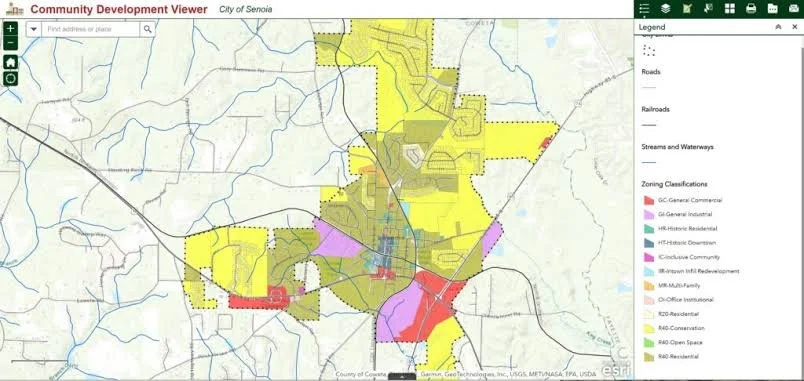
If you're searching for Senoia GA homes for sale, you may have come across another term that is just as important as the home's price, size, and school assignment:
Zoning.
Zoning determines how property can generally be used and developed within the City of Senoia.
That can affect everything from the type of home that can be built on a property to whether certain commercial, residential, or other uses may be permitted nearby.
For buyers, sellers, investors, and homeowners, understanding the City of Senoia zoning map can provide valuable information before making a real estate decision.
But there's an important distinction to understand:
A zoning map is not the same thing as a map of property values, school districts, or neighborhood boundaries.
It is a planning and land-use tool used by the city to identify zoning districts and help regulate development.
This guide explains what the Senoia zoning map is, how to use it, what buyers should look for, and why zoning matters when researching Senoia GA real estate.
Important: Zoning regulations, district boundaries, permitted uses, setbacks, development standards, and city ordinances can change. This article is for general educational purposes and is not legal or zoning advice. Always verify the current zoning designation and applicable regulations directly with the City of Senoia before purchasing property, developing land, or making assumptions about future property use.
What Is the City of Senoia Zoning Map?
The City of Senoia zoning map is a planning resource that shows how properties within the city's jurisdiction are divided into different zoning districts.
Each zoning district has regulations that can determine what types of development or property uses may be allowed.
Depending on the property and zoning district, regulations may address things such as:
Residential uses
Commercial uses
Institutional uses
Lot sizes
Building placement
Setbacks
Density
Parking
Building types
Development standards
Other land-use requirements
The zoning map works together with the city's zoning ordinance and other development regulations.
In other words, the map tells you which zoning district applies to a location, while the ordinance explains what that zoning designation means.
Why Zoning Matters When Buying a Home in Senoia
Imagine you find a beautiful property in Senoia.
You love the house.
You love the neighborhood.
You love the yard.
But what if you eventually want to:
Build an addition
Add a detached structure
Start a home-based business
Divide a parcel
Build another residence
Change the property's use
Develop an adjacent piece of land
The answer may depend partly on zoning.
That's why buyers shouldn't look only at the house itself.
When evaluating Senoia GA homes for sale, it's worth understanding the property's land-use context.
Zoning Is Different From a Neighborhood Name
This is an important distinction for homebuyers.
A property may be marketed as being in:
Heritage Pointe
Fieldstone Estates
Keg Creek Landing
Greyfairs
The Parks at Olmsted
Another Senoia community
But a neighborhood name doesn't necessarily tell you the property's zoning designation.
Likewise, a property's mailing address doesn't necessarily tell you everything about its development restrictions.
The zoning designation is a separate piece of information.
If you're considering making changes to a property, verify the actual zoning classification with the City of Senoia.
City Limits Matter
Before looking at zoning, you should determine whether the property is actually inside the City of Senoia.
This is especially important because the broader Senoia area includes properties that may have a Senoia mailing address but fall outside the incorporated city limits.
A property outside the city may instead be subject to:
Coweta County zoning
County development regulations
Different permitting requirements
Different public services
Different land-use rules
This distinction can be extremely important.
Two properties may both have a Senoia mailing address but be governed by different jurisdictions.
For that reason, don't assume that every property marketed as "Senoia" uses the City of Senoia zoning map.
How to Read the Senoia Zoning Map
If you're looking at a zoning map for the first time, it can look complicated.
Typically, you'll see:
Streets
Parcels
Property boundaries
Zoning district labels
Different colors
City limits
Geographic features
Planning information
The first thing you want to identify is the property you're researching.
Once you've located it, identify the zoning designation associated with the parcel.
Then, take that zoning designation and look it up in the city's current zoning ordinance.
That's the key step.
Don't stop at the map.
The map identifies the district.
The ordinance explains the rules.
Residential Zoning in Senoia
Residential zoning is particularly important for people searching for Senoia GA homes for sale.
Residential districts can establish rules relating to:
Permitted housing types
Minimum lot sizes
Density
Setbacks
Building height
Access
Accessory structures
Other residential development standards
However, not every residential district has the same rules.
That's why buyers should verify the specific zoning designation for the property they're considering.
Commercial Zoning
Commercial zoning can affect properties used for businesses and may also matter to homeowners living near commercial corridors.
Commercial districts may allow certain types of:
Retail
Restaurants
Offices
Services
Mixed-use development
Other commercial activities
The exact permitted uses depend on the applicable zoning regulations.
For homeowners, nearby commercial zoning can sometimes be important when evaluating a property's surroundings and future development potential.
Why Commercial Zoning Matters to Homebuyers
Suppose you're considering a home on the edge of an established residential area.
A buyer may naturally wonder:
What's going to be built nearby in the future?
Zoning can provide part of the answer.
If nearby parcels have commercial zoning, that doesn't automatically mean a particular project will be built.
But it can be useful information when researching the property's long-term surroundings.
That's why smart buyers look beyond the individual house.
They consider the surrounding land as well.
Zoning and New Construction in Senoia
Senoia continues to attract buyers interested in Senoia GA new construction.
Before purchasing a new-construction home or vacant lot, buyers should understand:
The property's zoning
Approved development plans
Subdivision regulations
Lot requirements
Setbacks
Infrastructure
Road access
Utility availability
HOA restrictions
Applicable city or county requirements
A new home isn't simply built because someone owns a piece of land.
Development must comply with applicable regulations and approvals.
Zoning and Vacant Land
Zoning becomes particularly important when buying vacant land.
A vacant parcel may look like it has tremendous potential.
But before assuming you can build a particular property, determine:
Zoning district
Minimum lot size
Setbacks
Access requirements
Utility availability
Floodplain considerations
Environmental restrictions
Development approvals
Road frontage
Easements
A parcel that appears inexpensive may have limitations that significantly affect its development potential.
This is one reason land buyers should perform substantial due diligence before closing.
Can Zoning Change?
Yes.
Zoning designations and land-use regulations can change through appropriate governmental processes.
A property owner or developer may sometimes seek:
Rezoning
Variances
Special approvals
Conditional-use approvals
Other land-use changes
But none of these outcomes should be assumed.
If you're buying a property because you believe a future zoning change will occur, you're taking on additional uncertainty.
Always verify the current zoning and any active applications with the appropriate city or county planning department.
Zoning vs. Future Development
One of the most common mistakes buyers make is assuming that zoning guarantees a future development project.
It doesn't.
Zoning generally establishes what uses may be permitted under the applicable regulations.
It does not necessarily mean:
"This property will definitely become a shopping center."
Likewise, land zoned for residential development doesn't guarantee that a developer will build homes there.
Development also depends on:
Market conditions
Financing
Infrastructure
Ownership
Permitting
Development approvals
Builder demand
Economic conditions
Zoning is one piece of the puzzle.
Zoning and Property Improvements
Homeowners sometimes discover zoning questions when they want to make improvements.
For example:
Can I build a detached garage?
Can I add a pool?
Can I expand my house?
Can I build an accessory structure?
Can I operate a business from my home?
The answer can depend on the property's zoning and the city's development regulations.
There may also be additional requirements involving:
Building permits
Setbacks
Lot coverage
HOA restrictions
Building codes
Utility requirements
Before beginning construction, contact the appropriate city department.
Zoning and Home-Based Businesses
Some homeowners operate businesses from their homes.
Whether a particular home-based business is allowed can depend on the applicable zoning and city regulations.
Consider factors such as:
Customer visits
Employees
Signage
Parking
Noise
Equipment
Traffic
Storage
A quiet home office may be treated differently from a business that brings frequent customers to a residential property.
If you're considering a home-based business, verify the current requirements before getting started.
Zoning and HOA Rules Are Not the Same
This is another important distinction.
A property may have:
City zoning rules
and also:
HOA rules.
The city determines land-use and development requirements through its ordinances and regulations.
An HOA may impose additional private restrictions through its governing documents.
For example, an HOA might have rules regarding:
Exterior paint colors
Fences
Landscaping
Parking
Boats
Recreational vehicles
Architectural changes
Rentals
Even if the city permits something, an HOA may have additional restrictions.
Buyers should review both.
How Zoning Can Affect Property Values
Zoning doesn't automatically determine a home's value.
However, land-use regulations can influence how buyers perceive a property's surroundings and future possibilities.
Factors may include:
Nearby commercial uses
Residential density
Development potential
Traffic
Neighborhood character
Future land use
Availability of nearby amenities
A property surrounded by compatible residential development may appeal to different buyers than a property next to a busy commercial corridor.
This is one reason location matters so much in real estate.
Zoning and Senoia's Historic Downtown
Historic Downtown Senoia is one of the most distinctive parts of the city.
The downtown area has developed around a traditional Main Street environment with:
Historic buildings
Restaurants
Boutiques
Professional services
Civic uses
Community destinations
Because historic preservation and downtown development are important parts of Senoia's identity, land-use regulations in and around the downtown area can be particularly relevant to property owners.
If you're purchasing property in or near the historic district, investigate applicable zoning and historic-design requirements before making assumptions about renovations or redevelopment.
Zoning and Historic Properties
Owning a historic property can be rewarding.
But historic properties may have additional considerations beyond ordinary zoning.
Depending on the property and location, owners may need to research:
Historic district requirements
Exterior changes
Demolition restrictions
Architectural standards
Sign regulations
Renovation approvals
If you're searching for historic Senoia GA homes for sale, don't assume the property can be modified in exactly the same way as a newer home.
Ask questions before purchasing.
How Zoning Affects Sellers
Zoning isn't just a buyer issue.
Sellers should understand the property's zoning as well.
If you're selling a property, knowing the zoning can help answer questions from buyers about:
Permitted uses
Development potential
Accessory structures
Future improvements
Nearby land uses
However, sellers should avoid making unsupported statements about what a buyer will definitely be allowed to build.
When in doubt, direct buyers toward the appropriate city or county planning resources.
A Senoia Zoning Due-Diligence Checklist
If you're considering purchasing a property, here's a simple checklist.
1. Confirm the Jurisdiction
Is the property:
Inside City of Senoia limits?
Outside the city but in Coweta County?
This determines which zoning authority you should contact.
2. Find the Zoning Designation
Identify the property's current zoning district.
3. Read the Ordinance
Don't rely only on the map.
Review the applicable zoning regulations.
4. Check Future Development
Research nearby:
Development applications
Rezoning requests
Road projects
Commercial projects
Residential development
5. Review HOA Documents
If applicable, obtain:
Covenants
Restrictions
Architectural guidelines
Rules and regulations
6. Verify Your Intended Use
If you're buying the property for a specific purpose, verify that use before closing.
7. Get Professional Advice
For complicated zoning or development questions, consult an appropriate professional.
Questions to Ask Before Buying a Senoia Property
Before making an offer, consider asking:
What is the current zoning designation?
Is the property inside city limits?
What uses are permitted?
Are there zoning overlays?
Are there historic restrictions?
Are there active rezoning applications nearby?
Are there planned road improvements?
What are the minimum setbacks?
Can the property be subdivided?
Are accessory structures permitted?
Does an HOA apply?
Are there additional development restrictions?
These questions can prevent expensive surprises.
City of Senoia Planning & Zoning Resources
For official zoning information, buyers should start with the City of Senoia.
The city's planning and development resources can provide information about:
Zoning
Land use
Development
Planning
Permitting
City ordinances
Development applications
For properties outside the incorporated city limits, you'll generally need to research Coweta County zoning and development regulations instead.
This distinction is especially important when searching for properties marketed as being "in Senoia."
Zoning Map vs. Future Land Use Map
Another distinction worth understanding is the difference between zoning and future land use.
A zoning map generally identifies the property's current zoning designation.
A future land-use or comprehensive-planning map may provide a broader vision for how an area could develop over time.
These are not necessarily the same thing.
For buyers researching long-term property potential, reviewing both can provide a more complete picture.
Why Buyers Should Look Beyond the Property Line
A beautiful home can still be a poor fit if the surrounding area doesn't match your plans.
Before purchasing, look at:
Adjacent parcels
Nearby vacant land
Commercial corridors
Roads
Schools
Parks
Future development
Existing businesses
Think beyond:
"Do I love this house?"
Also ask:
"Do I understand this location?"
That question can be just as important.
Zoning and the Senoia Real Estate Market
The Senoia GA real estate market continues to offer a variety of housing options, from established neighborhoods to new construction and larger properties.
For buyers, zoning is one part of understanding the market.
Other important factors include:
Home prices
Inventory
Interest rates
Neighborhood demand
School assignments
Commute times
HOA fees
Property condition
New construction
No single factor determines whether a property is right for you.
Zoning simply helps you understand what is permitted and what may happen around the property.
Frequently Asked Questions About the Senoia Zoning Map
Where can I find the City of Senoia zoning map?
Start with the official City of Senoia planning and development resources. If the property is outside city limits, check Coweta County resources instead.
Does every property with a Senoia address use the city zoning map?
No. A Senoia mailing address does not necessarily mean the property is located inside the incorporated City of Senoia.
Can I build anything I want on my property?
No. Development is generally subject to zoning, building codes, setbacks, permits, HOA restrictions, and other applicable requirements.
Can zoning change?
Yes, zoning can potentially change through the applicable governmental process. However, buyers should never assume a future rezoning request will be approved.
Does zoning determine property value?
Not by itself. Zoning is one factor among many that can influence a property's desirability and potential uses.
Does an HOA override city zoning?
An HOA may impose additional private restrictions, but buyers should evaluate city/county regulations and HOA documents separately.
Should I check zoning before buying land?
Absolutely. Zoning is especially important when buying vacant land or a property you intend to develop or substantially modify.
Final Thoughts: Understanding the City of Senoia Zoning Map
The City of Senoia zoning map may not be the first thing you think about when searching for a home.
But it can be an important piece of the real estate puzzle.
Whether you're purchasing an existing home, considering Senoia GA new construction, buying vacant land, or simply curious about what may eventually be developed near your property, understanding zoning can help you make a more informed decision.
Remember the basic process:
Find the property → confirm the jurisdiction → identify the zoning district → read the applicable regulations → research surrounding development → verify your intended use.
And don't forget the most important step:
Verify current information with the appropriate city or county department before making a purchase or development decision.
Senoia continues to grow while working to preserve the historic character and community identity that make it unique. Understanding how zoning fits into that growth can give homeowners and buyers a better perspective on the future of the community.
Thinking About Buying or Selling Property in Senoia, GA?
Whether you're searching for Senoia GA homes for sale, new construction, a larger homesite, a historic property near Downtown Senoia, or an established neighborhood like Heritage Pointe or Fieldstone Estates, the Tim Stout Group with eXp Realty is here to help.
We can help you explore:
Senoia GA homes for sale
Senoia GA new construction
Best neighborhoods in Senoia GA
Homes near Downtown Senoia
Senoia GA home prices
Senoia GA real estate market trends
Neighborhood comparisons
Property values
Relocation options
Buyer and seller resources
If you're preparing to sell your current home, we can also help you understand how your property's location, neighborhood, condition, and current market demand may affect your selling strategy.
When you need anything real estate related in Senoia, GA, trust the local real estate experts serving Senoia and surrounding Coweta County communities: the Tim Stout Group with eXp Realty.
Contact the Tim Stout Group today and let us help you navigate the Senoia real estate market.
