

Buying a Country Estate in Senoia, GA: The Complete Guide to Well Water, Septic Systems, Soil Testing, and Agricultural Zoning
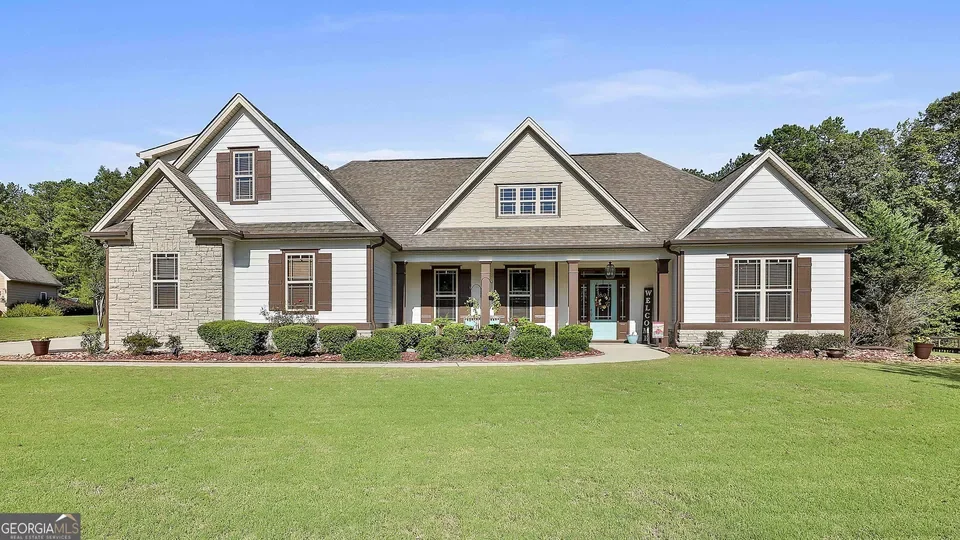
Imagine waking up in a beautiful country home outside Senoia, Georgia, with mature trees, open pasture, room for a garden, and enough land to enjoy a little more privacy. Perhaps you want space for horses, a workshop, a hobby farm, a swimming pool, or simply a larger yard where your family can spread out.
For many buyers, that is the appeal of buying a country estate in Senoia, GA. The area offers a small-town atmosphere and access to the greater Atlanta region while giving buyers opportunities to explore homes on larger lots and rural acreage.
However, buying a country estate is different from purchasing a home in a traditional subdivision. Beyond the house itself, you must understand the property's water supply, wastewater system, soil conditions, zoning designation, access rights, and potential for future improvements.
A beautiful five-acre property does not automatically mean all five acres are suitable for building. A private well does not guarantee that the water is safe to drink, and an agricultural or rural zoning designation does not necessarily permit every type of farming, livestock operation, or additional dwelling.
This guide explains what buyers should know before purchasing Senoia GA homes with acreage, including the inspections, records, and local agencies that can help you make a more informed decision.
Why Buy a Country Estate in Senoia, Georgia?
Senoia appeals to buyers who want more room without completely disconnecting from everyday conveniences. Its historic downtown features locally owned shops, restaurants, and community gathering places, while the surrounding countryside offers a different type of residential experience from a conventional suburban neighborhood.
Depending on the property's location, buyers may find homes with wooded acreage, open fields, established landscaping, detached garages, barns, long driveways, or room for future outdoor projects.
Country estates can be especially attractive to:
Families who want more outdoor space and privacy.
Buyers interested in gardening, keeping certain animals, or maintaining a small hobby farm.
Remote workers seeking a quieter residential setting.
Homeowners who want room for workshops, recreational equipment, or outdoor entertaining.
Buyers looking for a long-term property that accommodates changing lifestyle needs.
The key is matching the land to your actual plans. Before you fall in love with a home or make an offer, determine what the property can legally and practically support.
For buyers exploring Senoia GA real estate, that means looking beyond the number of bedrooms and the advertised acreage.
1. Start by Confirming the Property's Jurisdiction
One of the most important first steps is determining whether the property is inside the City of Senoia or in unincorporated Coweta County.
A Senoia mailing address does not necessarily mean the property lies within the incorporated city limits. That distinction can affect zoning, permitting, utilities, development rules, and the government department responsible for answering your questions.
The City of Senoia maintains its own zoning regulations, while Coweta County administers a separate zoning and development ordinance for properties under county jurisdiction.
Before purchasing, confirm:
The property's official jurisdiction and zoning classification.
Whether public water and sewer services are available.
Which authority issues building and land-development permits.
Whether any existing structures or additions have required approvals.
Whether the property is subject to special overlays, easements, or development restrictions.
You can begin by reviewing the City of Senoia's zoning regulations and the Coweta County Zoning Division.
For county properties, the Coweta County maps and documents page provides access to zoning and land-use mapping resources.
Real estate tip: Ask for written zoning verification if your intended use depends on a particular permission. Do not rely exclusively on a listing description, an informal conversation, or a property's existing appearance.
2. Private Well Water: What Country Estate Buyers Need to Know
Some rural properties rely on private wells instead of municipal water. A well can provide a reliable household water source when properly constructed and maintained, but buyers need to investigate both water quality and the well's physical condition.
Unlike a typical municipal connection, a private well places much of the ongoing monitoring and maintenance responsibility on the property owner.
Test the water before closing
Water that looks clear and tastes normal is not necessarily free of contaminants. Laboratory testing is the most dependable way to identify potential problems that cannot be detected by sight or smell.
For a country estate with a private well, consider testing for:
Total coliform bacteria and E. coli.
Nitrates and nitrites, particularly where fertilizer, livestock, or septic systems are present.
Common minerals and water chemistry issues, such as hardness, iron, and manganese.
Additional contaminants recommended by a qualified water-testing professional based on the property's location and history.
The Georgia Department of Public Health recommends annual bacterial testing for individual private wells and periodic chemical screening. The state identifies a broader private-well chemical test known as the Private Well Chemical Test, or PWCT.
Read the Georgia Department of Public Health's private well water guidance for testing recommendations and well-location standards. The UGA Extension water-testing resource also explains how homeowners can arrange laboratory testing.
Inspect the well itself
Water quality is only part of the picture. Have a qualified well professional evaluate the equipment and condition of the system.
Ask about:
The well's age, depth, and available construction records.
The pump, pressure tank, and related equipment.
Water pressure and flow during normal household use.
Signs of damage, poor drainage, or contamination around the wellhead.
Any past repairs, disinfection, or water-treatment installations.
Whether the system can reasonably support your intended household and property use.
If you intend to irrigate substantial acreage, water livestock, or operate a small agricultural business, ask a professional whether the existing well can meet those additional demands. Household water capacity and irrigation capacity are not necessarily the same.
Check the well's location relative to the septic system
Well placement matters because a poorly located or inadequately protected well can be vulnerable to contamination.
Georgia's published well-water guidance identifies minimum horizontal separation distances that include 50 feet from a septic tank and 100 feet from a septic absorption field, along with other requirements. Actual compliance must be assessed using the applicable standards and the property's conditions.
A well inspection should therefore consider the location of the septic tank, drain field, animal enclosures, drainage paths, and other potential contamination sources.
Buyer takeaway: Do not assume that a well is safe simply because the seller has used it for years. Obtain current test results and an independent evaluation before your due-diligence period ends.
3. Septic Systems in Coweta County: What to Check Before Buying
Many country homes outside established sewer service areas use onsite sewage management systems, commonly called septic systems.
A septic system generally includes a tank and a soil absorption area that treats and disperses wastewater. Its ability to function depends on the system's design, condition, maintenance history, soil characteristics, and available land.
A house can look immaculate while having an aging septic system that requires expensive repairs or replacement.
Request the septic records
When purchasing a country estate, request available documentation, including:
The original septic permit and approved system layout.
The system's approved capacity or bedroom designation, where documented.
Records of repairs, pumping, inspections, or replacement.
Any approvals for additions or bedroom conversions.
Information about the designated absorption area and replacement area.
Compare the records with the property as it exists today. An older home may have been expanded, or a room may have been converted into a bedroom, without the septic system receiving a corresponding review.
Do not assume that a system approved for the original house will automatically support a larger household or future addition.
Arrange a septic inspection
A qualified septic professional can assess the system's visible components and evaluate whether further investigation is appropriate. Depending on the system and local requirements, this may involve checking the tank, distribution components, drain field, and signs of wastewater surfacing.
Look for warning signs such as:
Persistent sewage odors.
Wet or unusually lush areas over the absorption field.
Slow drains or recurring plumbing backups.
Standing water or unexplained soggy ground.
Evidence of past overflow or unpermitted repairs.
These signs do not prove a system has failed, but they deserve prompt professional attention.
For an older system, ask whether additional evaluation is warranted before closing and whether the available records match the current property.
Why the replacement area matters
A septic system may need a suitable area reserved for future replacement. Coweta County's requirements and the specific permit conditions should be checked for the individual property.
This is particularly important if you are planning to add a pool, barn, detached garage, guest accommodation, or another structure.
The septic system and any required replacement area may limit where those improvements can go. A large parcel may have fewer usable building locations than expected because of soil conditions, slopes, setbacks, drainage features, and other restrictions.
Consult the Georgia Department of Public Health's onsite sewage resources and confirm the current requirements with the appropriate local environmental health office.
Public sewer may be an alternative—but verify availability
Some properties in and around Senoia may have access to municipal water or sewer, while others rely on private systems. Never assume that sewer is available simply because a line appears nearby.
Ask the applicable utility provider whether service is available to the specific parcel, whether capacity is available, what connection costs may apply, and whether any extension or easement would be required.
The City of Senoia's water management page is a useful starting point for understanding municipal water service.
4. Soil Testing: Is the Land Suitable for Your Plans?
Soil testing is one of the most valuable steps when buying undeveloped land or a country estate with room for expansion.
The term “soil testing” can refer to several different evaluations. It is important to choose the right one for the job.
Soil evaluation for septic suitability
If the property needs a new septic system—or you want to confirm whether a replacement system could be accommodated—ask about a professional site and soil evaluation conducted through the appropriate permitting process.
The evaluation helps determine whether the proposed location is suitable for onsite wastewater treatment. Soil characteristics, drainage, landscape position, and other site conditions can affect system design and approval.
A property with heavy clay, shallow restrictive layers, steep slopes, wet areas, or limited suitable ground may face additional design challenges. These conditions should be assessed by qualified professionals rather than judged by appearance alone.
For vacant land, determine whether a suitable septic area has actually been approved or whether the seller is merely assuming one will be available.
Agricultural and garden soil testing
If you plan to grow vegetables, establish pasture, plant fruit trees, or cultivate a hobby farm, a separate agricultural soil test can help identify pH and nutrient conditions.
These tests can guide decisions about soil amendments and plant selection. However, a routine garden soil test does not establish that a site is suitable for a septic system, and it does not replace an environmental assessment when contamination is a concern.
The University of Georgia Cooperative Extension can help homeowners understand agricultural soil and water testing options. Start with the UGA Extension water-testing resource and contact the local Extension office for guidance on soil testing.
Soil testing for future construction
If you intend to build a guest house, detached garage, workshop, barn, or custom home, ask your builder or engineer whether additional geotechnical evaluation is appropriate.
A geotechnical investigation can help assess soil and subsurface conditions relevant to foundations and site construction. The required scope depends on the proposed structure and the property's conditions.
The important distinction: Septic suitability, agricultural soil quality, and foundation conditions are different questions. One test should not be treated as proof that the land is suitable for every purpose.
5. Agricultural Zoning: What Can You Actually Do on Your Land?
One of the biggest attractions of buying a country estate is having the freedom to use your land in ways that may be impractical in a smaller subdivision.
You might envision a vegetable garden, fruit orchard, pasture, chickens, horses, or a small agricultural operation. But the rights associated with a property depend on its actual zoning, applicable ordinances, and any special conditions.
Understand the zoning designation
In unincorporated Coweta County, the Zoning Division administers the county's zoning and development ordinance. The county's zoning districts have different rules for permitted uses, lot dimensions, setbacks, and development.
For example, the county's Rural Conservation district has specific dimensional standards. The current ordinance should be reviewed directly because minimum lot sizes and other requirements depend on the applicable district and circumstances.
Do not assume that a property is agriculturally zoned just because it has acreage, a barn, fencing, or a history of agricultural use.
Start with the Coweta County Zoning Division and its published land-use information.
Ask about the activities you intend to pursue
Before purchasing, make a list of your plans and verify each one separately. Depending on the location and zoning, relevant questions may include:
Can you keep horses, chickens, or other livestock?
Are there limits on animal numbers, enclosures, or setbacks?
Can you construct a barn, stable, or detached workshop?
Could a guest house or second dwelling be allowed?
Are commercial farming, boarding, or agricultural sales permitted?
Would operating a home business require separate approval?
Could you subdivide the parcel in the future?
The answers may depend on the property's zoning district, lot dimensions, access, environmental restrictions, and the nature of the proposed use. Some activities may require additional permits or conditional-use approval.
Also, remember that zoning and building approval are separate from any private restrictions. A deed covenant or homeowners association may impose requirements even when a proposed use appears permissible under local zoning.
Agricultural use does not guarantee unlimited development rights
Georgia law includes protections concerning certain agricultural practices, but those protections do not eliminate local zoning authority. Georgia Code § 2-1-6 expressly preserves local governments' power to adopt zoning ordinances and make zoning decisions.
You can review the state's agriculture code resources and consult the relevant local zoning authority for a property-specific interpretation.
If you are buying land with the intention of operating a farm or agricultural business, obtain written guidance on the specific activity rather than relying on a broad label such as “farm property” or “agricultural land.”
6. Calculate the Truly Usable Acreage
The advertised acreage is only one part of a country estate's value. Buyers should also consider how much of the parcel is realistically available for their intended use.
A property's usable area may be affected by:
The house, driveway, and existing outbuildings.
Septic system and replacement-area requirements.
Well locations and required separation distances.
Streams, wetlands, flood-prone areas, and drainage corridors.
Steep slopes or soil limitations.
Utility easements and access rights.
Setbacks and zoning requirements.
Existing fencing, tree lines, and land-use restrictions.
For example, a ten-acre property might offer plenty of privacy but have only a portion suitable for a new building, additional septic field, or pasture.
Review the survey, deed, easements, available permits, and relevant mapping before assuming that a section of the property can be developed.
Coweta County provides mapping resources through its Documents and Maps page, including zoning and environmental-related map resources. These maps are useful for preliminary research, but they should not replace a survey or professional site evaluation.
If future subdivision is part of your investment plan, verify minimum lot sizes, road frontage, access, utility arrangements, and all applicable subdivision requirements before closing.
7. Budget for the Real Cost of Country-Estate Ownership
A rural property can deliver a wonderful lifestyle, but its operating costs may differ from those of a typical subdivision home.
Beyond the mortgage, taxes, insurance, and routine maintenance, consider budgeting for:
Well maintenance: Periodic water testing, pump repairs, pressure tank replacement, and possible treatment equipment.
Septic maintenance: Routine inspections and pumping as appropriate, plus repairs or replacement if the system reaches the end of its useful life.
Land management: Mowing, brush removal, tree care, fencing, pasture maintenance, and driveway upkeep.
Utilities and access: Confirm internet availability, electrical service, trash collection, road maintenance responsibilities, and any private-road agreements.
Future improvements: Site preparation, grading, drainage work, additional structures, and professional fees for permits or evaluations.
Insurance: Ask an insurance professional about coverage for the house, detached structures, outbuildings, agricultural activities, and any special risks associated with the property.
Actual costs vary significantly based on the property's condition, size, equipment, and intended use. Obtain quotes from qualified providers rather than relying on general estimates.
8. Your Country-Estate Due-Diligence Checklist
Before buying a country estate in Senoia, use this checklist to organize your research.
Confirm whether the parcel is inside Senoia city limits or unincorporated Coweta County.
Verify the official zoning designation and intended-use permissions.
Obtain a current survey and review recorded easements and access rights.
Confirm whether water comes from a private well or public utility.
Arrange independent well inspection and laboratory water testing.
Request septic permits, available maintenance records, and system details.
Arrange a septic inspection and confirm any applicable replacement-area requirements.
Determine whether the soil and site can support future septic needs or planned construction.
Review floodplain, drainage, stream, and other environmental constraints.
Confirm permits for existing barns, additions, workshops, and other structures.
Verify any HOA rules, deed restrictions, or recorded covenants.
Confirm internet availability, utility service, and access-road responsibilities.
Obtain estimates for repairs and improvements before the end of your due-diligence period.
Not every property requires every inspection, but this list helps you identify the questions that matter before you commit to a purchase.
9. Work With a Senoia, GA Real Estate Agent Who Understands Acreage
Buying a country estate involves more than comparing home prices and choosing a floor plan. The land, utilities, permits, and restrictions can be just as important as the house.
An experienced local real estate professional can help you identify properties that match your goals, request relevant seller documentation, coordinate due-diligence timelines, and connect you with appropriate specialists.
Your agent is not a substitute for a septic professional, well contractor, surveyor, soil classifier, engineer, or zoning official. Instead, a strong real estate team helps coordinate the process and makes sure the right questions are asked before important deadlines pass.
If you're searching for Senoia GA homes with acreage, decide what matters most before you start touring. Is your priority privacy, pasture, a hobby farm, space for a workshop, or the potential to build another structure? Defining your goals makes it easier to evaluate the right properties and identify issues early.
Conclusion: Find the Right Country Estate in Senoia, GA
Buying a country estate in Senoia can be an exciting opportunity to enjoy more privacy, outdoor space, and flexibility while staying connected to the local community. The key is understanding the property before you buy.
Verify the zoning. Test the well. Inspect the septic system. Evaluate the soil for your intended use. Confirm the usable acreage, review the records, and investigate any future improvements before moving forward.
These steps can help you avoid costly surprises and make a more confident decision about your next home or land investment.
Whether you're searching for a country estate, buying acreage, selling a rural property, or exploring real estate opportunities in Senoia and the surrounding areas, trust Tim Stout Group with eXp Realty for knowledgeable guidance throughout your real estate journey.
Contact Tim Stout Group to discuss your real estate goals, evaluate available properties, and take the next step toward finding the right fit for your lifestyle.
Tim Stout Group with eXp Realty
Phone: (678) 967-3367
Website: https://fayetteandcowetahomes.com
Email: tim@mybrokerage.com
