

Building a Country Estate in Senoia, GA: Land Clearing, Driveway Permits & Utility Connections
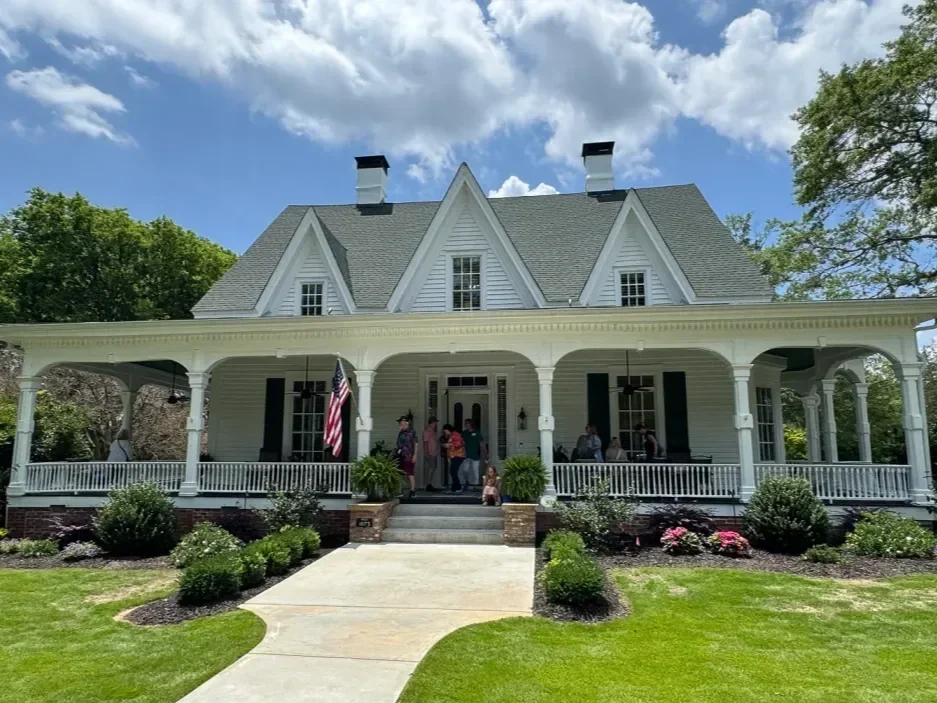
Picture a long private driveway winding through mature trees, a custom home overlooking open pasture, a spacious workshop tucked away from the main residence, and enough acreage to enjoy privacy without feeling disconnected from the community.
For buyers who dream of building a country estate, Senoia, Georgia, offers an opportunity to explore acreage, rural homesites, and custom-home possibilities in Coweta County. Its small-town character and surrounding countryside appeal to people who want more space, outdoor living, and a home designed around their lifestyle.
But buying land and building on it are two very different projects.
Before you purchase acreage in Senoia, you need to understand how land clearing, driveway access, drainage, utilities, septic systems, zoning, and building permits affect the property's true cost and buildability. A beautiful tract of land is not automatically ready for construction, and a low purchase price may not represent the best value once site preparation and utility expenses are included.
This guide explains the major steps involved in developing a country estate near Senoia, what to verify before purchasing land, and how to plan a more realistic budget for your custom-home project.
1. Start by Confirming Whether the Property Is Inside Senoia or Unincorporated Coweta County
One of the most important first steps is identifying the property's legal jurisdiction.
A property marketed as being in Senoia may be inside the incorporated City of Senoia or in unincorporated Coweta County nearby. The mailing address alone does not necessarily establish which government has authority over zoning, permits, roads, and utilities.
This distinction matters because requirements, application procedures, and service availability may differ.
If the property is inside Senoia, begin with the city's planning, zoning, building, and public works departments. If it is in unincorporated Coweta County, contact the appropriate county departments.
Useful starting points include:
Before making an offer, ask officials to confirm the zoning district, permitted residential uses, setbacks, access requirements, and any special restrictions that apply to the parcel.
For a country estate, also verify whether the property can accommodate your intended features, such as a detached garage, barn, workshop, guest accommodation, pool, or other accessory structures. Do not assume that a large lot automatically permits every type of improvement.
2. Evaluate the Land Before You Buy It
The best homesite is not always the property with the most acreage or the prettiest view. It is the property that can accommodate your plans without creating unnecessary engineering, construction, or maintenance costs.
Before purchasing Senoia acreage, consider the following factors.
Topography and usable land
A tract may contain several acres on paper, but not all of that land may be suitable for a home, driveway, septic system, or outdoor structures.
Steep slopes, low-lying areas, wetlands, drainage channels, and irregular property boundaries can reduce the amount of usable space. A surveyor or qualified site professional can help establish property boundaries and identify potential constraints.
Soil conditions
Soil affects foundation design, drainage, grading, and the feasibility of a septic system.
If your country estate will use an onsite septic system, obtain the required soil evaluations and approvals before assuming the property is suitable. The location and size of a suitable septic drain field can influence where the house can be placed.
Easements and restrictions
Utility easements, access easements, conservation restrictions, and recorded covenants can limit where you build or how you use the property.
Review the survey, title documents, and applicable restrictions with the appropriate professionals. If an existing driveway crosses another property, confirm that legal access rights are properly documented.
Flooding and drainage
Review the property's drainage patterns and any mapped flood hazards. Even when a homesite is outside a mapped high-risk flood area, poor grading or inadequate stormwater management can create problems.
For a custom estate, it is much easier to identify drainage concerns before clearing trees or pouring a foundation than to correct them after construction.
3. Land Clearing: What Needs to Happen Before Construction?
Land clearing is often one of the first visible steps in building a country estate. It may involve removing selected trees, brush, undergrowth, stumps, and other vegetation to prepare for the driveway, house pad, utilities, and other improvements.
However, clearing an entire property is rarely necessary.
A well-planned project typically identifies the areas that need to be disturbed while preserving trees and natural buffers that contribute to privacy, shade, and the property's appearance.
Selective clearing versus full clearing
Selective clearing removes vegetation only where construction, access, and approved site work require it. This approach can preserve mature trees and wooded sections around the homesite.
Full clearing removes vegetation across a much larger area. It may be appropriate for certain building plans, pasture conversions, or agricultural uses, but it can create additional expenses for grading, erosion control, drainage, and landscaping.
For many country estates near Senoia, a combination of selective clearing and carefully planned open space offers a practical balance between usable land and privacy.
What affects land-clearing costs?
There is no reliable one-price-per-acre estimate for every property. Contractors may price work differently depending on site conditions, equipment requirements, disposal methods, and the scope of work.
Important cost factors include:
Acreage to be cleared rather than total property acreage
Tree density, trunk size, and root systems
Slope and accessibility for heavy equipment
Stump removal and disposal
Whether trees can be retained, chipped, or sold as timber
Grading and hauling requirements
Erosion and sediment-control measures
The need to protect streams, wetlands, or other sensitive areas
Ask contractors to separate clearing, stump removal, grading, hauling, and erosion-control costs in their proposals. This makes it easier to compare bids and understand what is included.
Do you need a permit to clear land?
Permit requirements depend on the jurisdiction, location, and scope of work. Clearing that involves grading, construction preparation, protected areas, streams, wetlands, or regulated land disturbance may require review or permits.
Coweta County's Building Permits and Inspections Department provides information on building-related requirements, while the county's Engineering Division addresses matters including erosion and sediment control, construction plans, wetlands, and stormwater.
Do not assume that you can begin grading simply because you own the property. Coweta County's building regulations include site-preparation permit requirements for residential building lots in applicable circumstances. Confirm the rules for your specific parcel before starting work.
Protect the land you want to keep
Clearing can change how water moves across a property. Removing vegetation, exposing soil, and creating long construction access routes can increase erosion and sediment runoff.
A site plan should identify the house location, driveway, utility routes, drainage areas, and any areas that should remain undisturbed. If erosion-control measures are required, install them before major earthwork begins.
A thoughtful clearing plan can reduce costs while preserving the mature trees and natural surroundings that make a country estate attractive.
4. Building the Driveway: Access, Culverts, and Permits
A long private driveway is a defining feature of many country estates. It provides privacy, creates an attractive approach to the house, and can help separate the residence from the road.
But driveway planning involves more than choosing a route and spreading gravel.
You need to determine where the driveway will connect to a public road, how water will drain across the entrance, whether a culvert is required, and which agency has authority over that road.
Coweta County driveway permits
According to Coweta County Road Maintenance, property owners constructing or modifying an entrance onto a Coweta County road need to arrange a driveway pipe inspection before installation.
The county's published process explains that staff determines the appropriate pipe size and required materials, then inspects the completed work. Its guidance also describes a $5,000 refundable performance bond or cashier's check associated with the county driveway-pipe permit process.
Because financial requirements and procedures can change, contact the Road Department before budgeting for or beginning the work. Confirm the current amount, payment method, inspection sequence, and refund conditions directly with the county.
What if the property fronts a state highway?
A driveway connecting to a state-maintained highway may fall under the Georgia Department of Transportation's permitting process rather than the county's road-access process.
GDOT explains its access-management and driveway-permit requirements through its Access Management Resources.
Identify the road authority before applying. A permit from one agency should not be assumed to satisfy the requirements of another.
Choosing the driveway location
The ideal driveway location depends on sight distance, slope, drainage, property boundaries, and the position of the planned house.
A long, winding driveway may look attractive, but it can increase grading, gravel or paving costs, stormwater-management needs, and future maintenance.
Before finalizing the route, evaluate:
Safe visibility for vehicles entering and leaving the road
Drainage ditches and culvert requirements
The grade and stability of the driveway
Access for construction vehicles and emergency services
The location of buried utilities
Space for delivery vehicles and turning areas
Ongoing maintenance for gravel, asphalt, or concrete
A driveway contractor or site engineer can help you plan a route that balances appearance, cost, drainage, and practical access.
5. Utility Connections: Electricity, Water, Gas, and Internet
Utility availability is one of the biggest factors that can affect the cost of building a country estate in Senoia, GA.
A property may be close to an existing home or road without having utility connections ready for construction. Before purchasing acreage, identify which services are available at the property line, which require an extension, and which may require an independent system.
Electricity
Start by identifying the electric provider that serves the parcel. Depending on the location, providers in the wider Coweta County area include Coweta-Fayette EMC, GreyStone Power, and Georgia Power.
The Coweta County Development Authority's utility directory lists electricity and other utility providers serving the region.
Ask the provider for a site-specific estimate covering the proposed house, driveway access, transformer requirements, meter location, and any line extensions. A nearby power line does not guarantee that connecting to it will be inexpensive or straightforward.
If the home will sit far back from the road, ask whether the electrical service will be installed overhead or underground and how the route may affect tree clearing, trenching, and future landscaping.
Public water or a private well
Some properties can connect to a public water system, while others may require a private well. Availability depends on the parcel and the provider's service area.
The Coweta County Development Authority's utility information identifies regional water providers, including Coweta County Water and Sewerage Authority and other municipal systems.
If public water is available, ask about connection fees, tap charges, meter installation, line-extension costs, and any capacity or approval requirements.
If a private well is needed, obtain professional advice on the feasibility, installation cost, water quality, and applicable setbacks. The Georgia Department of Public Health's well-water guidance explains important requirements for private wells, including siting considerations and the use of licensed well contractors.
Do not assume a neighboring property's well guarantees similar water availability on your land.
Septic system or public sewer
Wastewater service is especially important when building on acreage. Some rural properties rely on onsite septic systems, while others may have access to public sewer.
If public sewer is unavailable, your property will need an approved wastewater solution before a residence can be built. Soil conditions, the location of the home, setbacks, and the available area for the septic system can all affect feasibility.
Before closing, consult the appropriate environmental health authority about soil evaluation, septic-system approval, and any required permits. If a septic system is planned, coordinate its location with the house, driveway, well, and other improvements.
A lot that appears large enough for a house may still have limited buildable area if soil or drainage conditions restrict septic placement.
Natural gas or propane
Natural gas availability varies by location. Some properties may be able to connect to a gas distribution system, while others may need propane or all-electric appliances.
Ask providers about connection costs and availability before deciding on the home's heating, cooking, water-heating, and backup-power systems.
Internet and communications
If you work remotely or rely on connected home systems, verify internet availability at the exact address before buying land.
Do not rely only on a provider's general coverage map. Ask whether a wired connection can be installed, whether service requires a line extension, and whether fixed wireless or satellite service is a practical alternative.
Practical tip: Request written utility estimates during your due-diligence period. The cost of extending electricity, installing a well, or arranging wastewater service can materially change the economics of a country-estate purchase.
6. Site Preparation, Drainage, and the House Pad
Once the homesite is selected and the necessary approvals are in place, the next step is preparing a stable area for construction.
Site preparation can include grading, excavation, compacting soil, managing stormwater, establishing temporary construction access, and preparing the house pad.
The cost depends on the property's slope, soil, vegetation, drainage, and the home's foundation design.
Why drainage matters
Water should move away from the home and be managed in a way that complies with applicable requirements. Poor grading can lead to erosion, standing water, foundation moisture, and damage to landscaping or driveways.
A site professional can help establish the house elevation, driveway grades, and drainage plan. Depending on the project, stormwater controls or erosion and sediment-control measures may be required.
Coweta County's Engineering Division provides information on engineering review, erosion and sediment control, stormwater management, and related development matters.
Plan the entire estate, not just the house
If your long-term vision includes a detached garage, barn, workshop, pool, garden, guest space, or pasture, show those intended improvements on the overall site plan.
Planning ahead can help avoid conflicts between the driveway, utility trenches, septic field, drainage areas, and future buildings. It may also reduce the need to disturb finished landscaping later.
7. Building Permits, Zoning, and Other Approvals
Before construction begins, determine which permits and approvals apply to your particular project.
Coweta County's Building Permits and Inspections Department handles permits and inspections for buildings and systems, including electrical, plumbing, mechanical, and other regulated work. The city of Senoia has its own building and zoning resources for properties within city jurisdiction.
Depending on the site and project, you may need to address:
Zoning compliance and building setbacks
Building and trade permits
Site preparation or grading approvals
Driveway and right-of-way permits
Septic-system or well approvals
Erosion and sediment control
Floodplain, wetland, or stream-related requirements
Inspections during construction
The precise requirements depend on the property, jurisdiction, and scope of work. A permit or approval for one part of the project does not necessarily authorize every other activity.
For example, approval to build a residence does not automatically mean you can install a new driveway entrance, disturb a regulated stream buffer, or construct a separate accessory building without further review.
Before hiring contractors, confirm who will obtain each permit, who will schedule inspections, and what documentation is required before the home can be occupied.
8. Budgeting for a Country Estate: Look Beyond the Land Price
When evaluating Senoia acreage for sale, buyers sometimes focus so heavily on the purchase price that they underestimate the cost of preparing the property.
A more complete budget should account for the land, professional services, site work, infrastructure, home construction, and finishing work.
Common budget categories include:
Land purchase and closing costs
Boundary survey and site planning
Soil testing and septic evaluation
Land clearing and stump removal
Grading, excavation, and erosion control
Driveway construction and any required culvert
Electrical service and utility extensions
Well installation or public-water connection
Septic installation or sewer connection
Building permits, inspections, and professional fees
Home construction and landscaping
Contingency funds for unexpected conditions
Actual costs vary widely. A heavily wooded parcel with a long driveway and no nearby utilities can require a substantially different budget from a cleared homesite with road access and utilities at the property line.
Obtain written estimates based on the actual parcel rather than relying on a generic cost-per-acre figure. Include a contingency for unforeseen site conditions and confirm which costs are fixed, estimated, or subject to provider approval.
9. The Best Order of Operations for Building on Senoia Acreage
Step-by-Step Guide to Preparing Your Land for Construction
Step 1: Verify the Parcel
Confirm the property’s jurisdiction, zoning, legal access, boundaries, easements, flood risks, and any applicable restrictions before purchasing land or beginning construction.
Step 2: Check Buildability
Evaluate the property’s topography, soil conditions, septic feasibility, drainage, and the proposed locations of the home and any accessory structures.
Step 3: Price Utility Connections
Contact utility providers for property-specific estimates covering electricity, water, wastewater or septic systems, natural gas, and internet service.
Step 4: Design the Driveway and Site Plan
Coordinate the driveway entrance, culvert, house pad, utility routes, drainage, and any planned future improvements before construction begins.
Step 5: Obtain Required Approvals
Confirm which permits and inspections apply before clearing land, grading, installing utilities, or starting construction.
Step 6: Complete Site Work and Build
Follow the approved plans, coordinate required inspections, and maintain records of permits, contractor agreements, utility approvals, and other important project documents.
The exact sequence may change based on the property and the agencies involved, so coordinate the schedule with your builder, site contractor, utility providers, and permitting officials.10. Common Mistakes to Avoid When Building a Country Estate
Even experienced buyers can underestimate the complexity of building on acreage. Avoiding these common mistakes can protect your budget and timeline.
Buying land before confirming septic feasibility. If the property requires a septic system, verify that the proposed homesite and soil conditions can support an approved system before committing to the purchase.
Assuming utilities are available because nearby homes have them. Nearby service lines do not guarantee affordable access. Get written estimates for your parcel.
Clearing land too early. Premature clearing or grading can create erosion problems, damage trees you intended to preserve, or conflict with permit requirements.
Underestimating driveway costs. A long driveway may require additional grading, drainage work, culverts, and a more expensive surface than anticipated.
Ignoring future buildings. If you eventually want a barn, workshop, pool, or detached garage, plan for those improvements before finalizing the home's location.
Failing to distinguish city and county requirements. Always verify which government has jurisdiction over the parcel and which agency handles each approval.
Using the entire budget on the purchase. Leave sufficient funds for surveys, site work, utility connections, permits, construction, landscaping, and unexpected expenses.
The most successful country-estate projects begin with careful due diligence, realistic cost estimates, and a clear plan for the entire property.
Frequently Asked Questions About Building on Acreage Near Senoia, GA
How much does it cost to clear land in Senoia, Georgia?
Land-clearing costs depend on the acreage being disturbed, tree density, terrain, stump removal, disposal, grading, and erosion-control requirements. Obtain multiple written quotes based on the actual property and the work required.
Do I need a permit to clear land in Coweta County?
Depending on the project and location, site preparation, grading, and land-disturbance activities may require permits or other approvals. Contact Coweta County Building Permits and Inspections or the City of Senoia if the property is inside city limits before beginning work.
Do I need a driveway permit to build a private entrance?
If your driveway entrance connects to a Coweta County-maintained road, the county has a driveway pipe permit and inspection process. A state highway may require GDOT approval instead. Confirm the responsible road authority and current requirements before installing the entrance.
Can I build a country estate without public sewer?
Potentially, if the property can support an approved onsite wastewater system and meets applicable requirements. Septic feasibility depends on soil conditions, system design, site layout, and approval from the relevant authority.
How do I find out which utilities serve a property?
Contact the electricity, water, gas, and internet providers serving the parcel. Ask each provider to confirm service availability, connection requirements, estimated costs, and any extension work needed. For wastewater, determine whether public sewer is available or an approved septic system is feasible.
Is buying acreage and building cheaper than buying an existing country home?
Not necessarily. Land purchase costs may be only one part of the total expense. Clearing, utilities, driveway construction, site preparation, permits, and custom construction can make a new estate more expensive than an existing home. Compare the complete project budget with the cost of buying a property that already meets your needs.
What should I verify before buying land for a custom home?
At a minimum, investigate zoning, legal access, property boundaries, easements, buildable area, septic or sewer feasibility, water availability, utility connection costs, drainage, and permit requirements. If your purchase depends on being able to build, consider appropriate due-diligence contingencies and consult qualified professionals before closing.
Build Your Country Estate With the Right Property in Senoia, GA
Building a country estate is an opportunity to create a home that fits your lifestyle, whether you envision a secluded wooded retreat, a modern farmhouse, or a custom residence surrounded by open land.
The key is choosing a property that supports your plans before construction begins. Understanding land clearing, driveway permits, utilities, septic feasibility, zoning, and site preparation can help you avoid costly surprises and make better decisions about where to invest.
If you're searching for Senoia, GA, acreage for sale or land suitable for a custom home, local real estate guidance can help you narrow your options and identify the questions to ask before purchasing.
Ready to buy land, build a custom home, or explore country estates in Senoia and the surrounding Coweta County area? Contact the Tim Stout Group with eXp Realty for local real estate guidance tailored to your goals.
Call (678) 967-3367, visit fayetteandcowetahomes.com, or email tim@mybrokerage.com to start planning your next move.
