

Agricultural vs. Residential Zoning in Coweta County: What You Can Build on Senoia Acreage
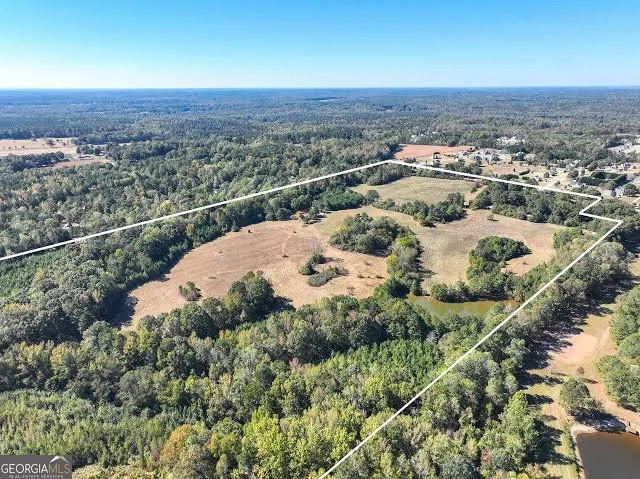
Imagine finding five beautiful acres outside Senoia, Georgia, with mature trees, open pasture, and plenty of room for a custom home. You picture a long driveway, a detached garage, a workshop, a garden, and perhaps a barn for horses or other livestock.
Then you discover that the property has zoning restrictions, a limited septic area, or access requirements that affect your plans.
This is why understanding agricultural vs. residential zoning in Coweta County should be one of your first steps when buying land around Senoia. The amount of acreage you purchase does not automatically determine what you can build. Your property's zoning district, location, access, environmental conditions, and applicable development regulations all play a role.
Coweta County includes rural properties that may support farming, forestry, equestrian activities, and low-density residential living. The county's Rural Conservation district, for example, is specifically intended to accommodate agricultural uses alongside certain forms of low-density residential development. However, individual uses and development options remain subject to the county's zoning ordinance and other requirements.
There is another important detail: not every property marketed as Senoia acreage is actually within the City of Senoia. Some properties are in unincorporated Coweta County, where the county's zoning and permitting rules apply. The city maintains its own zoning districts and building review process.
In this guide, we'll explain how agricultural and residential zoning differ, what you may be able to build on Senoia acreage, how septic systems and access affect development, and which steps to take before purchasing rural land.
Whether you're searching for land for sale in Senoia, GA, planning a custom home, or looking for a property with room for horses and outbuildings, understanding zoning can help you avoid expensive surprises.
1. Agricultural vs. Residential Zoning: What's the Difference?
Zoning is a set of local regulations that determines how land may be used and developed. It can govern residential density, permitted activities, building setbacks, lot dimensions, accessory structures, and whether certain uses require additional approval.
Agricultural and residential zoning may overlap in some rural districts, but they should not be treated as interchangeable.
What Is Agricultural Zoning?
Agricultural zoning generally supports farming and other land-based activities. Depending on the specific district and applicable rules, these activities may include:
Growing crops and maintaining gardens
Raising certain livestock
Forestry and timber-related activities
Horticulture and plant propagation
Ranching and equestrian uses
Operating certain agricultural structures
Living on the property in an authorized dwelling
The permitted uses depend on the property's actual zoning classification. Some agricultural activities may be permitted by right, while others may require a conditional use permit, business approval, building permit, or additional environmental review.
Coweta County's Rural Conservation (RC) district provides an example of how rural zoning works locally. The county ordinance identifies farming, forestry, horticulture, wholesale plant propagation, dairying, ranching, and equestrian activities among the agricultural uses associated with this district.
The RC district also accommodates certain low-density residential development. That means rural conservation zoning is not simply a designation for farmland where houses are prohibited. Instead, it establishes a framework for balancing rural residential use with agricultural activity and the protection of natural resources.
You can review the district provisions in the Coweta County zoning ordinance.
What Is Residential Zoning?
Residential zoning primarily regulates housing and related residential development. Depending on the district, it may allow single-family homes, certain attached housing types, accessory structures, and some home-based activities.
Residential districts can differ significantly in density and minimum lot size. A low-density residential district may accommodate detached homes on larger lots, while another district may permit smaller lots or additional dwelling types.
Coweta County's zoning ordinance includes multiple residential districts, each with its own permitted uses and dimensional standards.
For acreage buyers, the important question is not simply whether the land is zoned residential. You need to determine which residential district applies and whether your proposed home, outbuildings, and other uses meet the requirements.
Can Agricultural Land Also Be Used for a Home?
In some Coweta County districts, yes. The Rural Conservation district permits single-family dwellings, subject to the ordinance's requirements.
However, you should not assume that every parcel labeled agricultural or rural can automatically accommodate a new house. Minimum tract requirements, permitted development types, access, septic suitability, setbacks, environmental restrictions, and other regulations may affect the outcome.
Before purchasing, confirm the exact zoning classification and ask the appropriate planning or zoning office to review your intended use.
2. First, Determine Whether the Property Is Inside Senoia or Unincorporated Coweta County
This is one of the most important steps when researching Senoia acreage.
A property may be advertised as being in Senoia because of its mailing address, proximity to downtown, or general location. That description does not necessarily mean it is within the city's municipal boundaries.
The City of Senoia and unincorporated Coweta County have different zoning ordinances, zoning maps, and permitting processes.
If the Property Is in Unincorporated Coweta County
Start with the county's official zoning resources.
The Coweta County Maps Online page provides access to maps and parcel resources, including a zoning information map. The county's zoning tools allow users to search by address, parcel, road, or subdivision to identify a property's zoning designation and investigate relevant restrictions.
The county's Zoning Division handles zoning-related questions and reviews matters such as rezoning applications, conditional use permits, variances, and site plans.
If the Property Is Inside the City of Senoia
Begin with the City of Senoia Building and Zoning Department.
The city provides information about its zoning and building review process, along with development application resources. Depending on the project, an owner may need zoning review, a site plan review, a variance, or another type of approval.
Senoia has residential zoning districts such as R-20 and R-40, along with other districts and overlays. These classifications have their own purposes and requirements.
Why this matters: Do not apply Coweta County's Rural Conservation rules to a parcel inside Senoia city limits without confirming that those rules govern the property. Identify the jurisdiction first, then review the applicable ordinance.
3. What Can You Build on Agricultural or Rural Acreage Near Senoia?
The answer depends on the property's zoning district and the feasibility of the proposed development. Here are several common projects buyers ask about when searching for rural land.
Building a Custom Home
Many acreage buyers want a primary residence with privacy and outdoor space.
In Coweta County's Rural Conservation district, single-family dwellings are identified as permitted uses, subject to the ordinance's additional requirements. However, a particular lot must still meet applicable development standards.
Before purchasing land for a custom home, investigate:
Minimum lot or tract requirements
Front, side, and rear setbacks
Legal road access
Driveway and emergency vehicle access
Septic system suitability or sewer availability
Water availability
Floodplain and stream-corridor restrictions
Building permit requirements
A large property may offer several possible building locations, but some areas could be unsuitable because of slopes, drainage, protected areas, access limitations, or septic requirements.
Have the proposed building site evaluated before assuming that a house can be placed wherever you prefer.
Building a Barn or Horse Stable
Senoia and the surrounding Coweta County countryside appeal to buyers who want space for horses and other outdoor pursuits.
Agricultural and rural districts may allow certain equestrian uses and associated structures, but the details depend on the applicable zoning classification and development standards.
If you intend to build a barn or stable, ask zoning and building officials about:
Whether the intended use is permitted
Setbacks from property lines and roads
Building permits and inspections
Drainage and grading requirements
Manure storage and disposal
Access for trailers and emergency vehicles
Any applicable animal-related restrictions
Also investigate whether the property has suitable pasture, fencing, water access, and adequate drainage.
Important: Do not assume that a barn can be constructed without permits simply because it will be used for agricultural purposes. Confirm the requirements for the specific structure before construction begins.
Adding a Detached Garage or Workshop
Many acreage buyers want a workshop, equipment storage building, detached garage, or hobby space.
These structures are generally evaluated as accessory buildings or uses, but approval depends on the property's zoning and the building's intended purpose.
A detached garage for personal vehicles may be treated differently from a commercial repair shop or a workshop used for a business that generates customer traffic.
Before building, verify:
Whether the structure is allowed as an accessory use
Maximum size or applicable dimensional limits
Required setbacks
Height and placement restrictions
Electrical and plumbing permits, if applicable
Whether business activity requires separate approval
Coweta County's Building Permits and Inspections Department provides information on permits, inspections, zoning compliance, setbacks, and related construction requirements.
Starting a Small Farm or Garden
Buyers interested in a small farm may want to grow vegetables, maintain an orchard, raise certain animals, or produce plants for sale.
Agricultural zoning can be attractive for these purposes, but the exact activity matters.
Personal gardening may be treated differently from a commercial nursery, animal boarding operation, or business that brings customers and deliveries onto the property.
If you plan to sell produce, operate a nursery, board horses, or establish another revenue-generating activity, explain the intended operation to the zoning department. Ask whether the use is permitted, requires additional approval, or is subject to other business and environmental regulations.
Building a Guest House or Second Dwelling
A guest house, in-law suite, detached apartment, or second home can be appealing when purchasing acreage for an extended family.
However, a structure with sleeping, cooking, and independent living facilities may be treated differently from a simple storage building or detached garage.
Before planning a second dwelling, determine whether the property permits another residential unit and whether the structure would qualify as an accessory dwelling, an additional principal dwelling, or another use under the applicable rules.
Do not assume that owning five, ten, or twenty acres automatically grants permission to construct multiple homes.
4. Rural Conservation Zoning: Why It Matters for Coweta County Acreage
Coweta County's Rural Conservation district is especially relevant to buyers searching for land outside Senoia's city limits.
The district is designed to accommodate agricultural activity and low-density residential development while protecting rural character and natural resources.
The ordinance identifies natural features and resources that may influence development, including river and stream corridors, vulnerable groundwater recharge areas, floodplains, steep slopes, sensitive habitat, archaeological sites, cemeteries, and burial grounds.
This means that a property's total acreage is not necessarily the same as its usable building area.
Rural Conservation Does Not Mean Unlimited Development
A buyer might see a ten-acre tract and assume it can accommodate a primary home, a guest house, a barn, a large workshop, and several additional residential lots.
That outcome cannot be assumed from acreage alone.
The applicable development type, density requirements, access, minimum lot dimensions, septic feasibility, and protected areas all matter.
Coweta County's RC provisions also include infrastructure requirements relating to water and road access. Depending on the parcel, a buyer may need a well or public water connection and compliant road access or easements.
Before buying, confirm the rules that apply to the specific parcel and the development type you have in mind.
How the Comprehensive Plan Fits In
Coweta County adopted its 2026–2046 Comprehensive Plan on September 22, 2026. The plan establishes a long-term framework for land use, infrastructure investments, and community development.
A comprehensive plan helps guide planning decisions, but it is not a substitute for the zoning ordinance or a parcel-specific approval.
If you are buying acreage because you hope to build additional homes or subdivide the property in the future, investigate the current zoning, the applicable development standards, and the county's long-range planning documents.
The county's Comprehensive Plan page provides access to the adopted plan and supporting materials.
5. Residential Lot Size, Setbacks, and Buildable Acreage
One of the biggest misconceptions among rural land buyers is that a parcel's total size determines exactly how much of it can be developed.
In reality, lot dimensions, setbacks, environmental conditions, and infrastructure requirements can affect where a building may be placed.
Understand Minimum Lot Requirements
Minimum lot sizes vary by zoning district and development type. Some rural residential options in Coweta County's Rural Conservation district have specific tract requirements, while other development types operate under different standards.
Do not rely on a general statement such as "two acres is enough to build" without confirming the zoning and proposed development.
The county's zoning ordinance and dimensional requirements provide important background on lot dimensions and setbacks. Confirm the current applicable provisions with county staff before relying on any minimum acreage figure.
What Are Setbacks?
Setbacks establish how far a building must be located from specified property boundaries, roads, or other regulated features.
For example, a parcel may be large enough to satisfy a minimum lot-size rule but have a narrow or irregular shape that limits where a house can be placed.
Existing easements, stream buffers, road rights-of-way, and other restrictions can further reduce the area available for construction.
A current survey and a proposed site plan can help establish whether the intended home and accessory buildings fit within the permitted building area.
Check for Floodplains and Streams
Creeks, wetlands, drainage areas, and floodplains may affect building placement and site development.
If the property includes a stream or lies in a flood-prone area, investigate whether additional restrictions, permits, or engineering work may apply.
A wooded or low-lying section can be attractive for privacy and wildlife, but it may not be suitable for a house, septic field, or driveway.
6. Septic Systems, Wells, and Utilities: Can the Land Support Your Plans?
Zoning is only one part of determining whether acreage is suitable for a home.
Many rural properties around Senoia rely on individual septic systems and private wells, although public water or sewer may be available in some locations. Availability should always be confirmed for the specific parcel.
Septic System Feasibility
If the property will use a septic system, investigate whether the soil and available land area can support an approved system.
Factors may include soil conditions, slope, drainage, separation from water features, the location of the proposed home, and the space needed for a septic field and any required reserve area.
Coweta County's dimensional requirements address septic suitability, and county building guidance notes that health department approval is required for properties using septic systems before the applicable building permit can be issued.
A parcel may be large but still have limited septic-suitable area. That is why a septic evaluation should be part of due diligence rather than an afterthought.
Private Wells and Public Water
If a property relies on a well, investigate the feasibility of drilling, expected water availability, testing requirements, and the location of the well relative to the proposed house and septic system.
If public water is nearby, do not assume that a connection is available or affordable. Ask the relevant utility provider about service availability, connection fees, extension costs, and any infrastructure requirements.
Electricity, Internet, and Driveway Access
Also confirm:
Electricity availability and connection costs
Internet service options
Driveway entrance approval
Road frontage or recorded access easements
Drainage and culvert requirements
Costs associated with extending utilities to the building site
These costs can significantly affect the total price of developing raw land.
7. Can You Subdivide Agricultural Land Near Senoia?
Some buyers purchase acreage with the intention of dividing it into multiple lots, either for family members or as a future investment.
However, subdivision potential depends on more than the number of acres.
Coweta County's Rural Conservation district includes different development types, and the applicable rules determine whether and how a tract may be divided. Other zoning districts may have different density and lot requirements.
Before buying land for subdivision, investigate:
Whether subdivision is permitted under the current zoning
The minimum lot size and frontage requirements
The number of lots allowed under the applicable development type
Road access and private-road standards
Utility availability
Septic feasibility for each proposed lot
Stormwater and drainage requirements
Conservation areas and other environmental restrictions
Required plats, engineering plans, and approvals
A property advertised as having "development potential" should not be treated as approved for subdivision.
If your plans require rezoning, a variance, or a conditional use permit, there is no guarantee that approval will be granted.
The Coweta County Zoning Division reviews relevant applications and can explain the process for a proposed project. For property inside Senoia city limits, contact the city's Building and Zoning Department instead.
8. How to Verify the Zoning of a Senoia Property Before Buying
If you have found acreage that interests you, use this step-by-step process before making a commitment.
Step 1: Obtain the Exact Property Address or Parcel Number
Ask the listing agent or seller for the street address and tax parcel identification number.
If the property does not yet have a street address, a parcel number can help you locate it in county records.
Step 2: Identify the Jurisdiction
Determine whether the land is within Senoia city limits or in unincorporated Coweta County.
Do not rely solely on the property's mailing address.
Step 3: Review the Official Zoning Map
For unincorporated property, start with the county's Maps Online resources.
Search for the parcel and identify the zoning classification. Review any relevant overlays, special restrictions, and nearby development information.
For property within Senoia, contact the City of Senoia Building and Zoning Department.
Step 4: Explain Your Intended Use
Tell the zoning staff what you want to do. Be specific.
For example, explain whether you want to build a single-family home, construct a barn, keep horses, operate a small nursery, establish a workshop, or create additional residential lots.
A precise description makes it easier for officials to identify relevant requirements.
Step 5: Investigate Septic, Water, Access, and Building Requirements
Confirm whether the property can support the intended construction and whether permits, utility connections, soil evaluations, or other approvals are needed.
Step 6: Use Due Diligence to Resolve Uncertainties
If a project depends on a particular zoning interpretation or development approval, address that issue before closing whenever possible.
Your real estate agent can help coordinate information requests, but zoning staff, surveyors, engineers, septic professionals, and qualified attorneys may be needed for technical or legal questions.
9. Common Mistakes When Buying Acreage in Senoia, GA
Assuming more acreage means more building rights. A larger parcel may still have density restrictions, access limitations, or environmental constraints.
Confusing agricultural use with unrestricted use. Farming, residential living, commercial activity, and additional dwellings can be regulated differently.
Relying on the listing description. Statements such as "perfect for a family compound" or "ideal for development" are not substitutes for zoning verification.
Overlooking septic suitability. A parcel that cannot accommodate an approved septic system may not support the intended home.
Assuming a barn or workshop is exempt from permits. Accessory structures can still be subject to zoning, building, setback, and inspection requirements.
Failing to check easements and legal access. A property may have limited access or utility rights that affect how it can be developed.
Assuming rezoning will be approved. A proposed change in land use requires the applicable review process, and approval is not guaranteed.
Ignoring future costs. Clearing, grading, driveways, wells, septic systems, and utility extensions can add substantially to the cost of building on raw land.
Frequently Asked Questions About Agricultural and Residential Zoning Near Senoia
Can I build a house on agricultural land in Coweta County?
Possibly. The answer depends on the property's zoning classification and applicable development requirements. Coweta County's Rural Conservation district permits single-family dwellings subject to its ordinance, but parcel-specific requirements must still be met.
Can I keep horses on acreage near Senoia?
Some rural and agricultural zoning districts accommodate equestrian activities. Confirm whether your intended use is permitted on the specific parcel and whether additional requirements apply to barns, fencing, manure management, or related structures.
Can I build a barn on residentially zoned land?
It depends on the residential district, the proposed use, and the applicable accessory-structure rules. A personal storage building may be treated differently from a commercial agricultural operation. Verify the requirements before construction.
Does Coweta County allow a guest house or second home on acreage?
Not automatically. The number and type of residential units permitted depend on the property's zoning and applicable development standards. Ask zoning staff to review the intended arrangement before buying land for multiple dwellings.
Can I subdivide a ten-acre property in Coweta County?
A ten-acre property is not automatically eligible for subdivision. The permitted development type, density, minimum lot dimensions, road access, utilities, septic feasibility, and other requirements all matter.
Is agricultural zoning better than residential zoning?
Neither classification is universally better. Agricultural zoning may suit buyers interested in farming, livestock, or certain rural activities. Residential zoning may be more appropriate for a buyer focused on housing. The best fit depends on your intended use and the specific parcel's regulations.
Where can I find Coweta County's zoning map?
Start with the county's Maps Online page, which links to its zoning information map and other geographic resources. If the property is within Senoia city limits, use the city's zoning and building resources.
Conclusion: Find the Right Senoia Acreage With Confidence
Buying acreage in Senoia, Georgia, can open the door to a custom home, a small farm, an equestrian property, or a rural retreat with room to enjoy the outdoors. But before you purchase land, make sure the property's zoning, access, utilities, and physical conditions align with your plans.
Agricultural and residential zoning can permit different combinations of uses, and Coweta County's Rural Conservation district illustrates how agricultural activity and low-density residential development can coexist under specific rules. Still, the actual development potential of any parcel must be verified individually.
Start by identifying whether the land is inside the City of Senoia or unincorporated Coweta County. Then confirm the zoning classification, review the applicable ordinance, investigate septic and utility feasibility, and contact the appropriate planning or zoning department about your intended use.
If you are searching for Senoia, GA, land for sale, comparing rural properties, or planning to build a custom home on acreage, working with a knowledgeable local real estate professional can help you ask the right questions before you buy.
For all your real estate needs in Senoia, Newnan, Peachtree City, and the surrounding areas, trust Tim Stout Group with eXp Realty. We help buyers and sellers navigate local real estate, evaluate property options, and move forward with greater confidence.
Contact Tim Stout Group with eXp Realty
Phone: (678) 967-3367
Email: Tim@mybrokerage.com
Website: https://fayetteandcowetahomes.com
Whether you're purchasing land, planning a custom build, buying your first home, or selling property in Coweta County, reach out to discuss your real estate goals.
